
The science of phytoncides, green space, natural patterns and why time amongst trees can feel like coming back to yourself
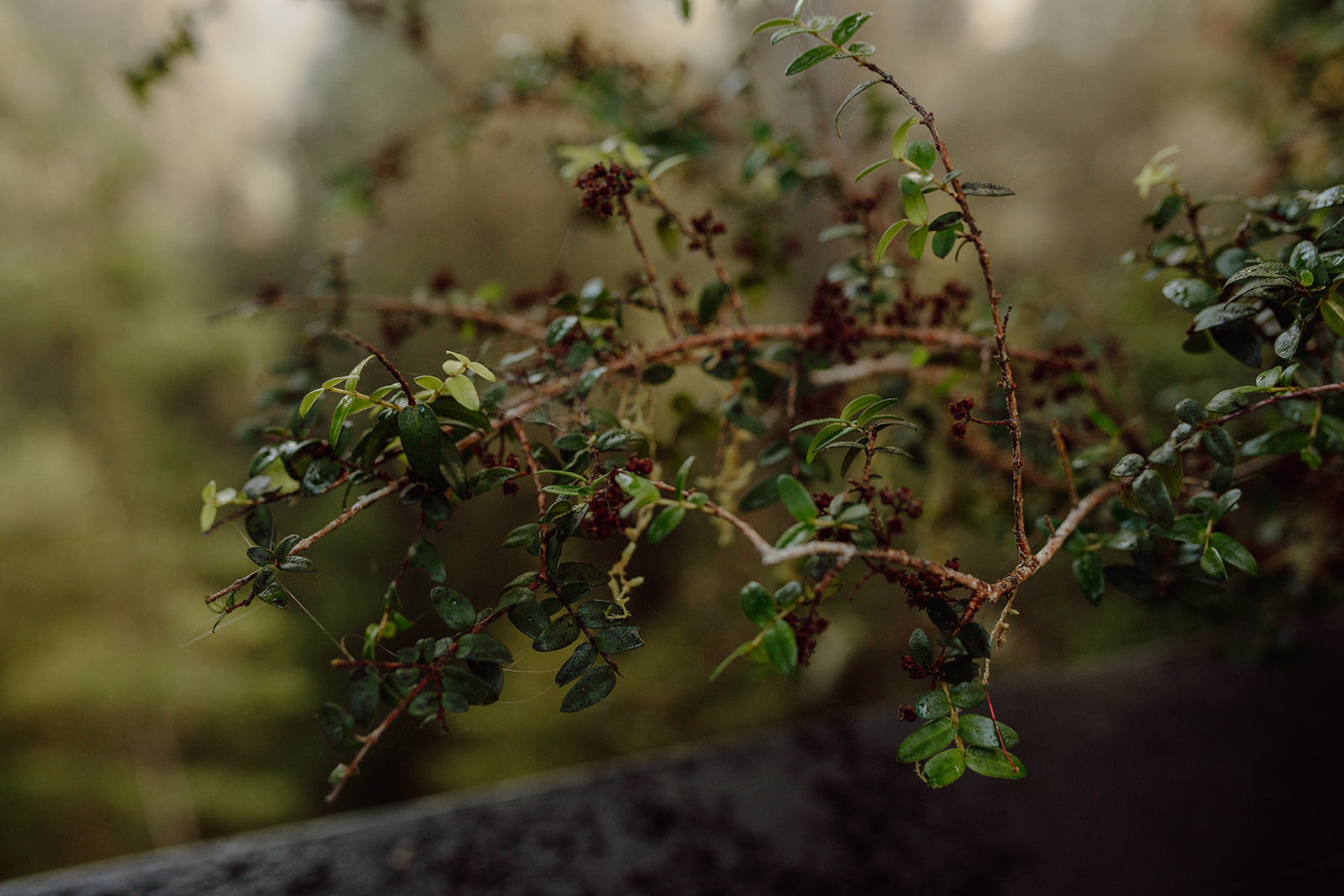
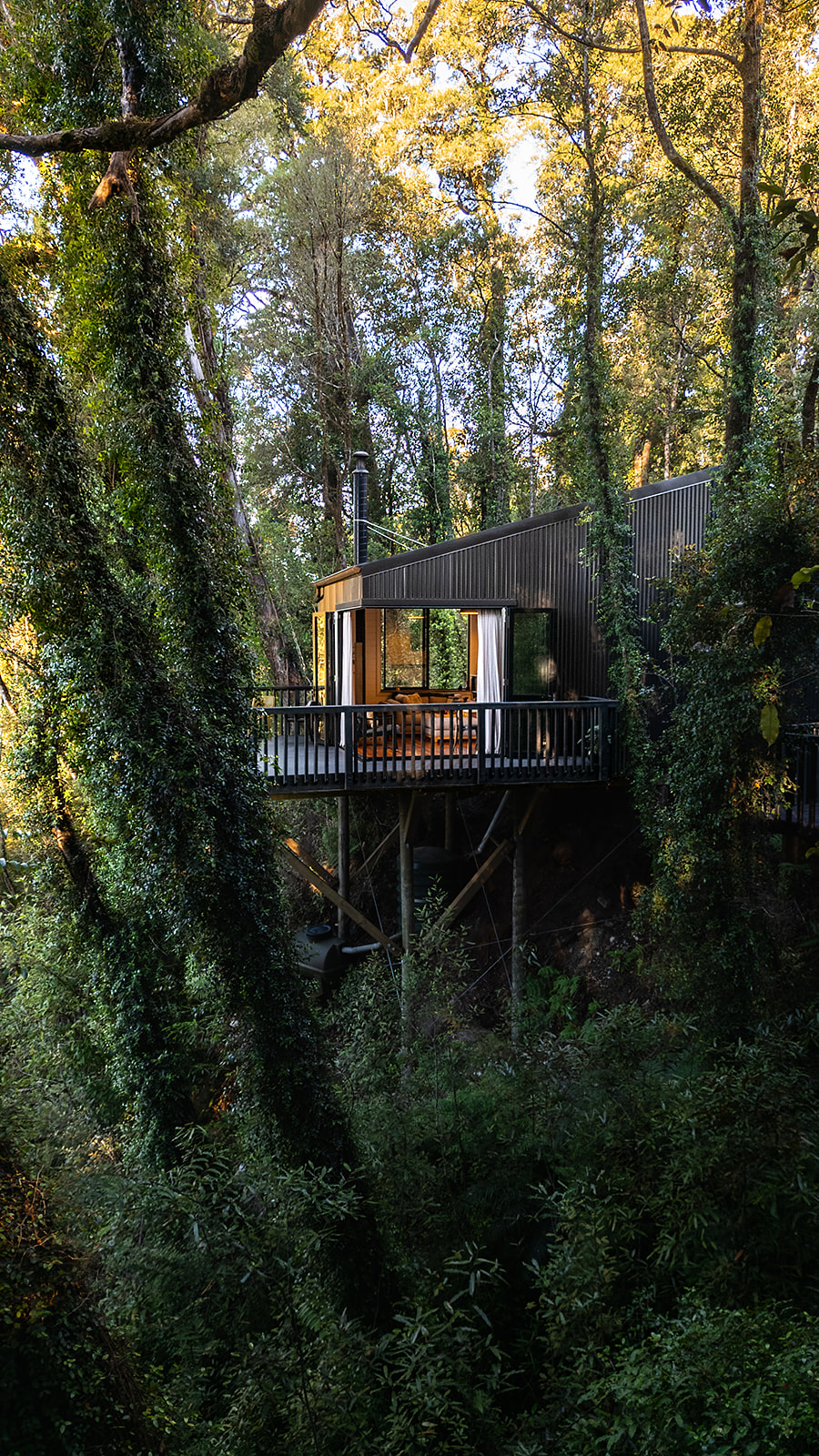
There’s something that happens when you arrive at Te Aka that is surprisingly hard to explain through words, imagery or video until you’ve felt it yourself. You come off the road, begin moving deeper into the property, and somewhere between the trees, the birds, the changing light and the feeling of being properly surrounded by forest, your internal pace starts to shift.
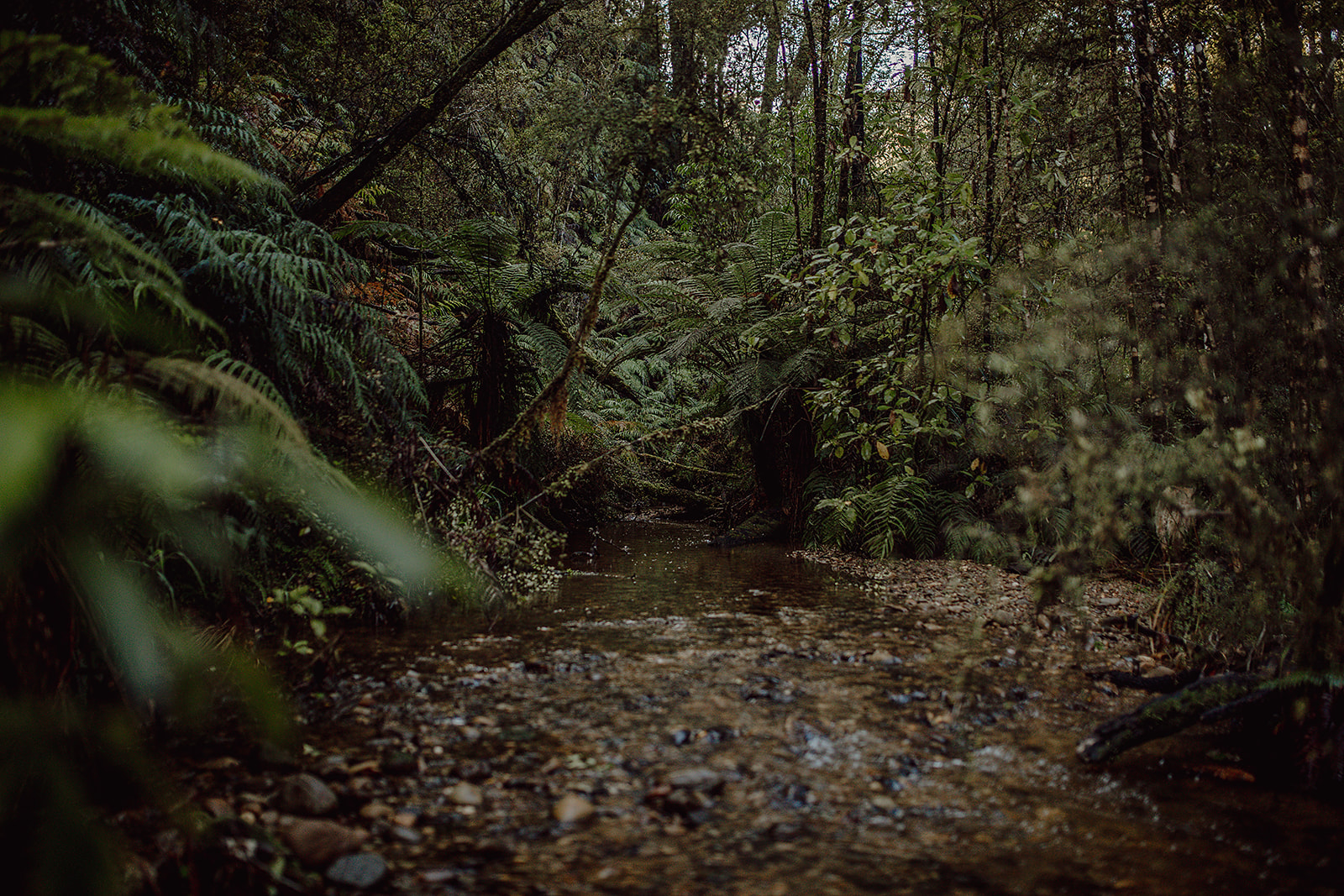
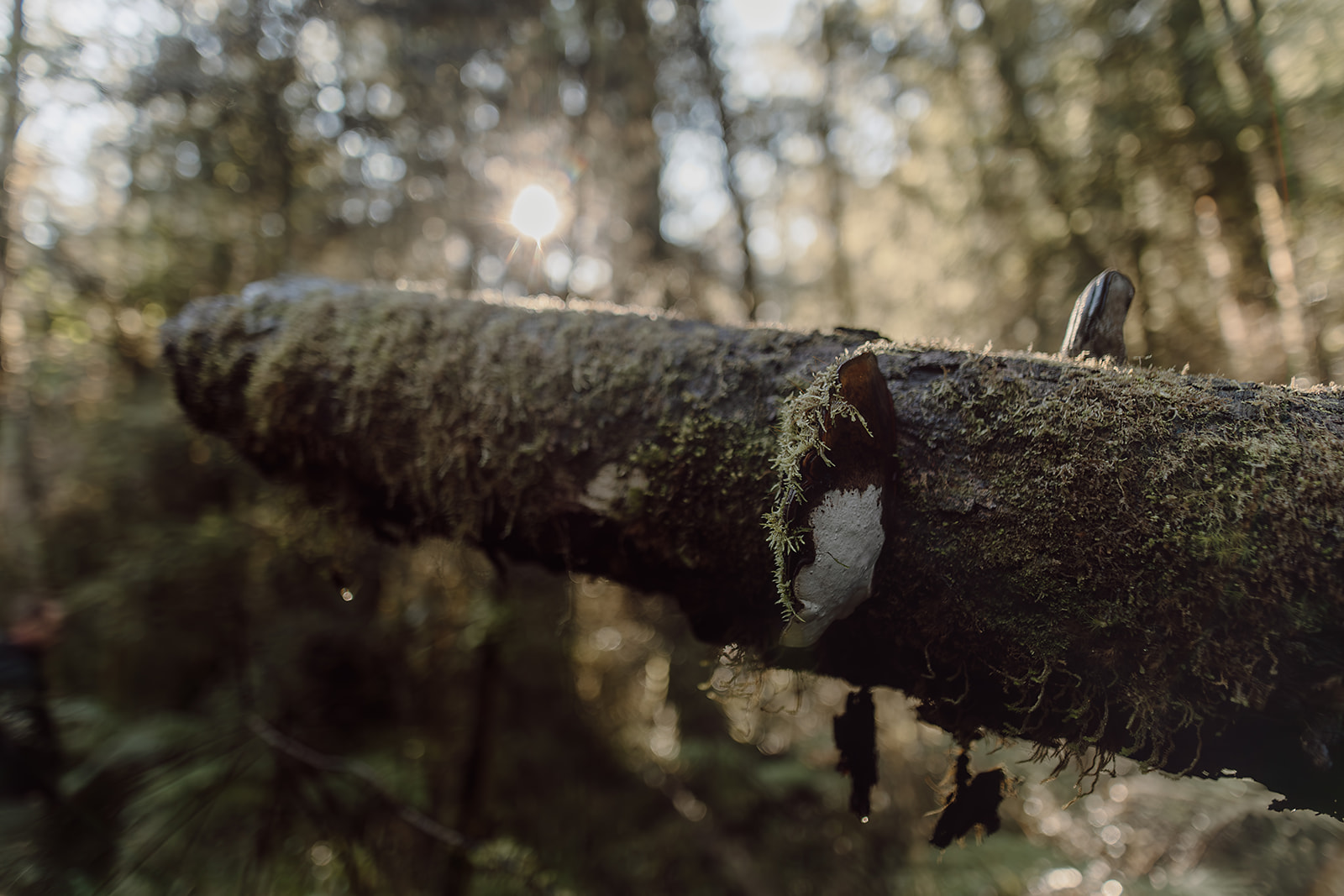
Sometimes it happens almost immediately, and often, other times it takes a little longer, but eventually you realise you’re breathing differently. Your shoulders have dropped without you deliberately telling them to. Your attention, which might have spent the last few hours thinking about directions, messages, work or whatever else you carried in with you, starts moving towards entirely different things. A fantail darting between branches. The sound of water. Moss growing over an old fallen tree. Light catching one particular fern. The ridiculous number of different greens layered through the canopy.
We notice it with guests all the time, the rush to get here and then the moment you've arrived with all the baggage you carry. Lisa and Dave have lived alongside this land for years, watching areas regenerate, learning its rhythms and seeing how people respond when they arrive here. I notice it too through the work I do at Te Aka, whether I’m photographing people, guiding stargazing experiences or simply walking through the forest with someone who has just arrived. People tend to soften here, including myself, and the more we’ve talked about that over time, the more curious we’ve become about what might actually be happening beneath the feeling.
Because while it’s tempting to simply say “nature is good for you”, there is now a fascinating amount of research suggesting that a forest is interacting with us in far more ways than we consciously realise. We are breathing it, hearing it, processing its patterns, responding to its colours and moving through an environment our bodies seem remarkably well equipped to understand.
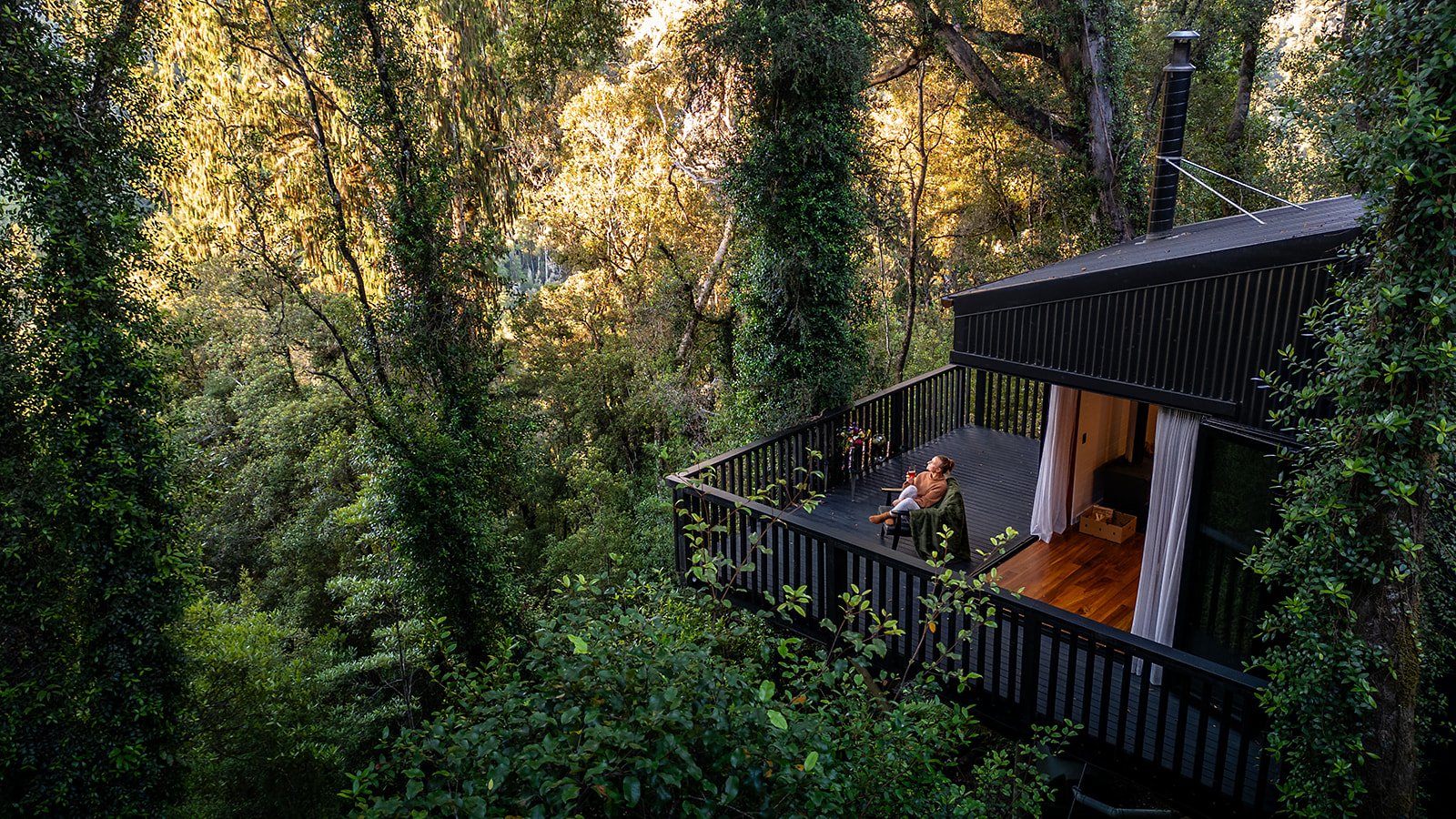
One of our favourite pieces of this research begins with something trees are doing whether humans are around or not. Trees and other plants release naturally occurring airborne compounds known as biogenic volatile organic compounds, or BVOCs. Among them are substances often referred to as phytoncides, which plants produce as part of their own defence and communication systems. These include compounds such as alpha-pinene, beta-pinene and limonene.
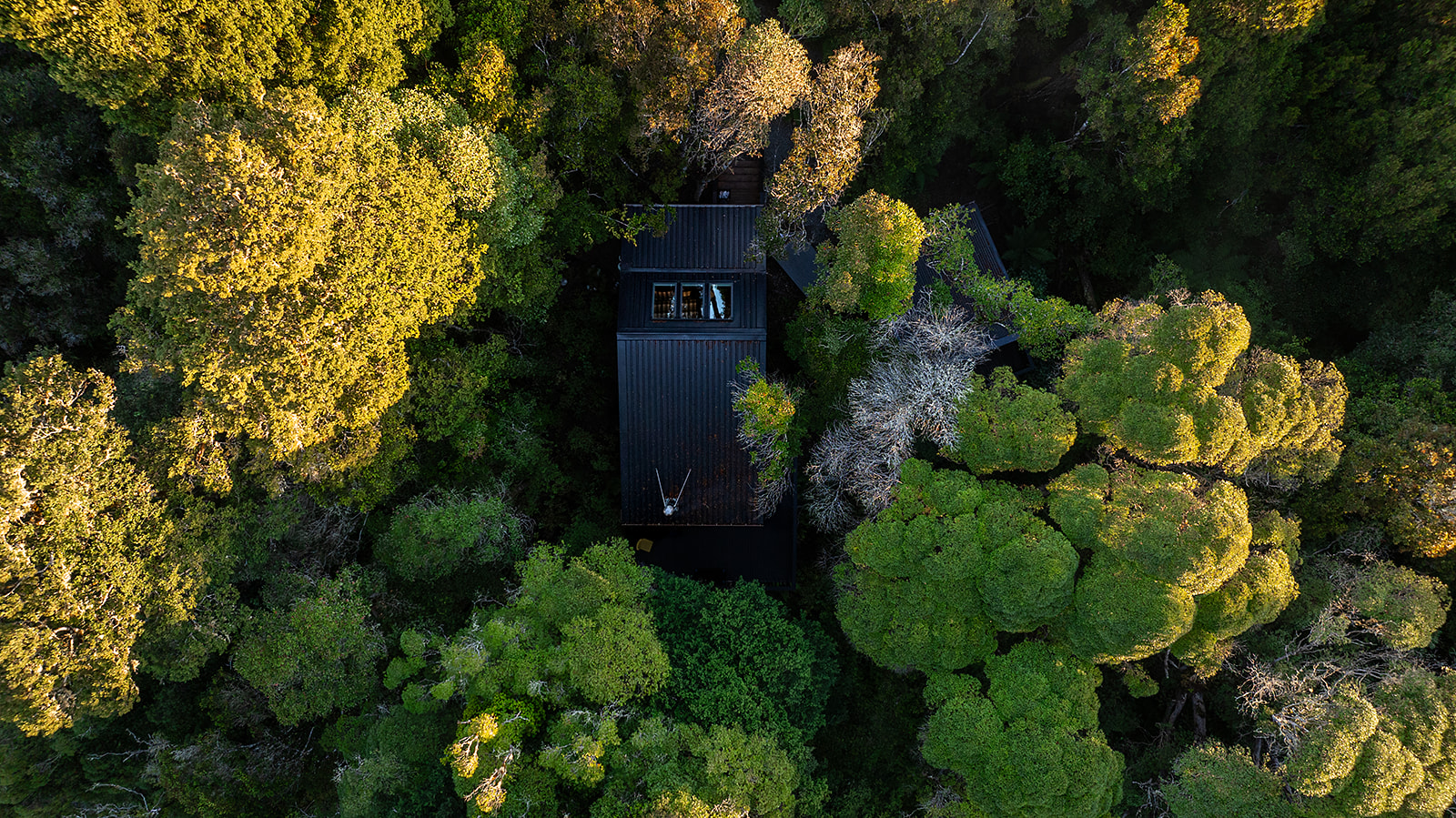
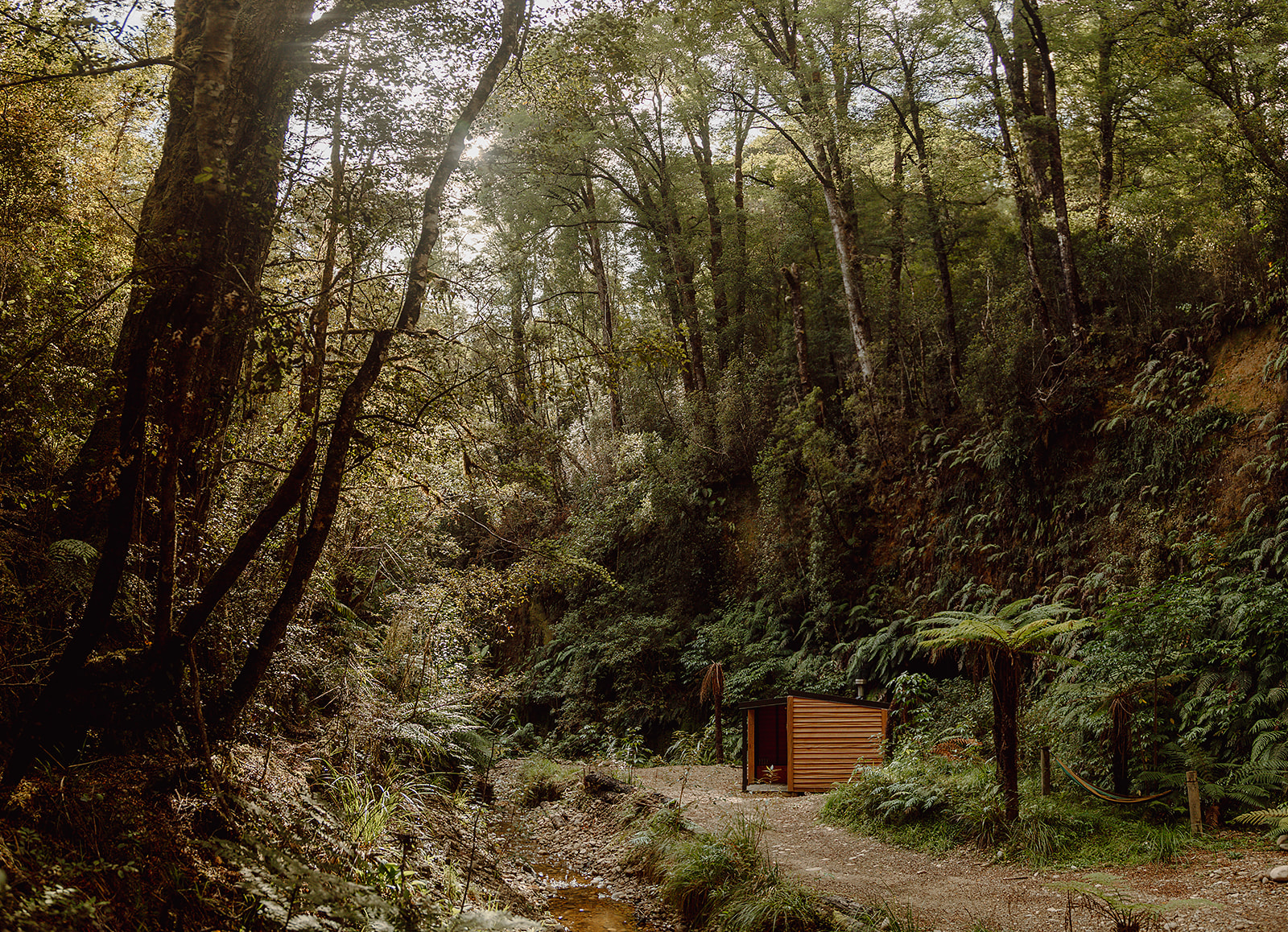
If you’ve ever stepped into dense forest and noticed that unmistakable woody, resinous, green smell in the air, some of what you are experiencing is plant chemistry. It’s something we’re surrounded by constantly at Te Aka. The property sits within 23 hectares of regenerating and old-growth native forest, and there are moments, especially after rain or on warmer days, where the smell of the forest feels almost tangible.
Researchers studying the Japanese practice of shinrin-yoku, commonly translated as forest bathing, began asking what happens when humans spend extended periods breathing these compounds in. Some early research from Japanese scientist Qing Li and colleagues found increases in natural killer, or NK, cell activity following forest and phytoncide exposure. Natural killer cells form part of our innate immune system and help identify and destroy infected or abnormal cells.
In one small controlled study, participants spent three nights in hotel rooms where hinoki cypress oil containing phytoncides had been dispersed into the air. Researchers observed increased NK-cell activity alongside reductions in stress hormones including adrenaline and noradrenaline. More recent systematic reviews have also found promising immune responses associated with phytoncide exposure, although the research base is still relatively small.
That distinction matters. We aren’t suggesting that a walk through the trees is a cure for disease or some replacement for medicine. The interesting part is that the chemical environment created by plants appears capable of interacting with human physiology. In other words, we don’t simply see the forest. We actually breathe part of it in.
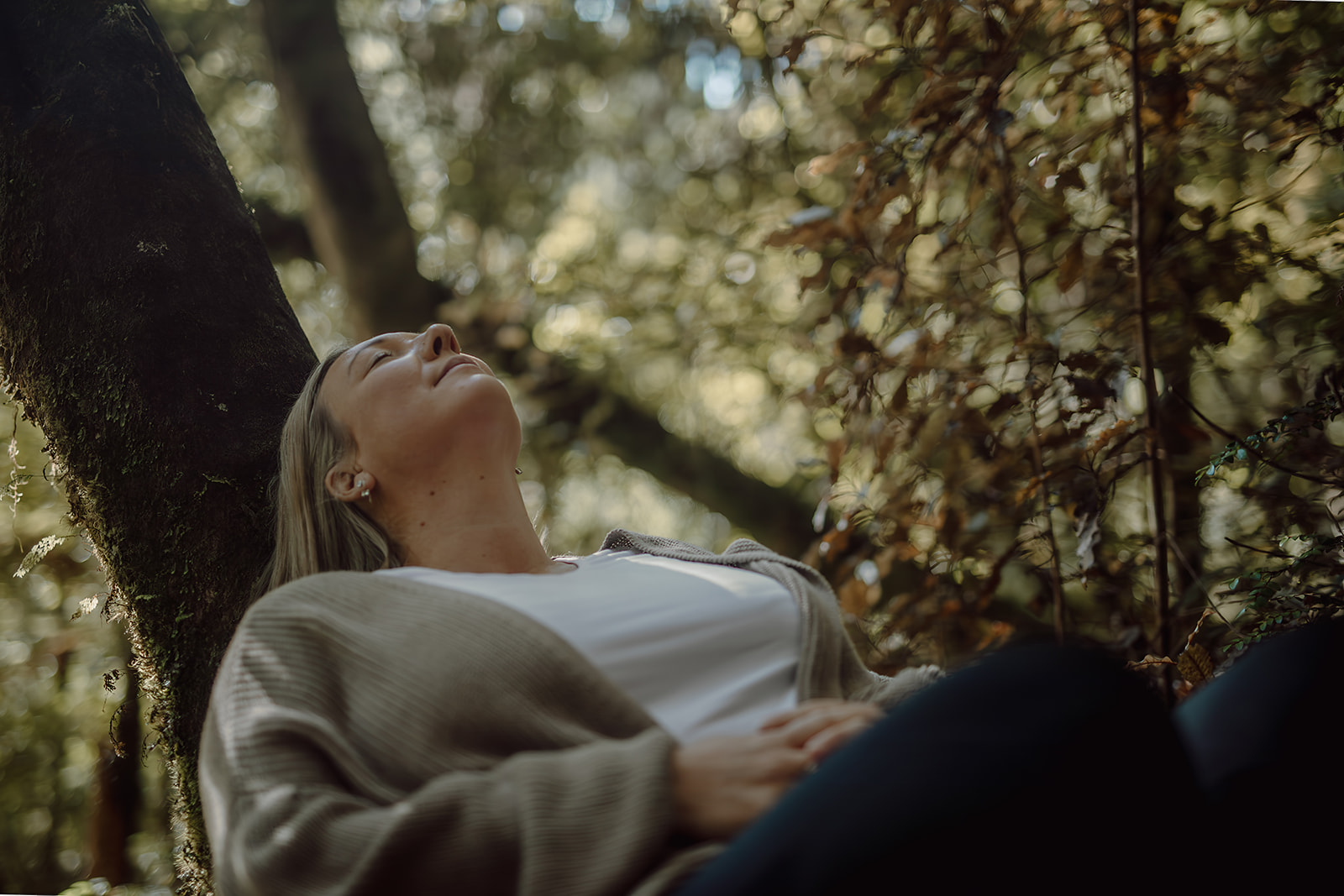
Forest environments have also been studied in relation to cortisol, anxiety, depression, mood, heart rate and blood pressure. A systematic review and meta-analysis looking specifically at cortisol, one of our major stress hormones, found that the majority of included studies reported lower cortisol following time in forest environments.
Another systematic review published in 2023 looked at 36 studies involving more than 3,500 people and found that forest bathing was associated with reductions in symptoms of anxiety and depression. Not every physiological measure changes reliably every time, and human nervous systems are far more complex than the neat “nature switches stress off” version often presented online, but there is increasingly good evidence that natural environments can help support recovery following stress.
One study we found especially interesting compared how people responded to forest, park and urban environments using combinations of imagery, smells and soundscapes. Both forest and park environments supported greater physiological stress recovery than the urban environment, with smell appearing to play an especially meaningful role.
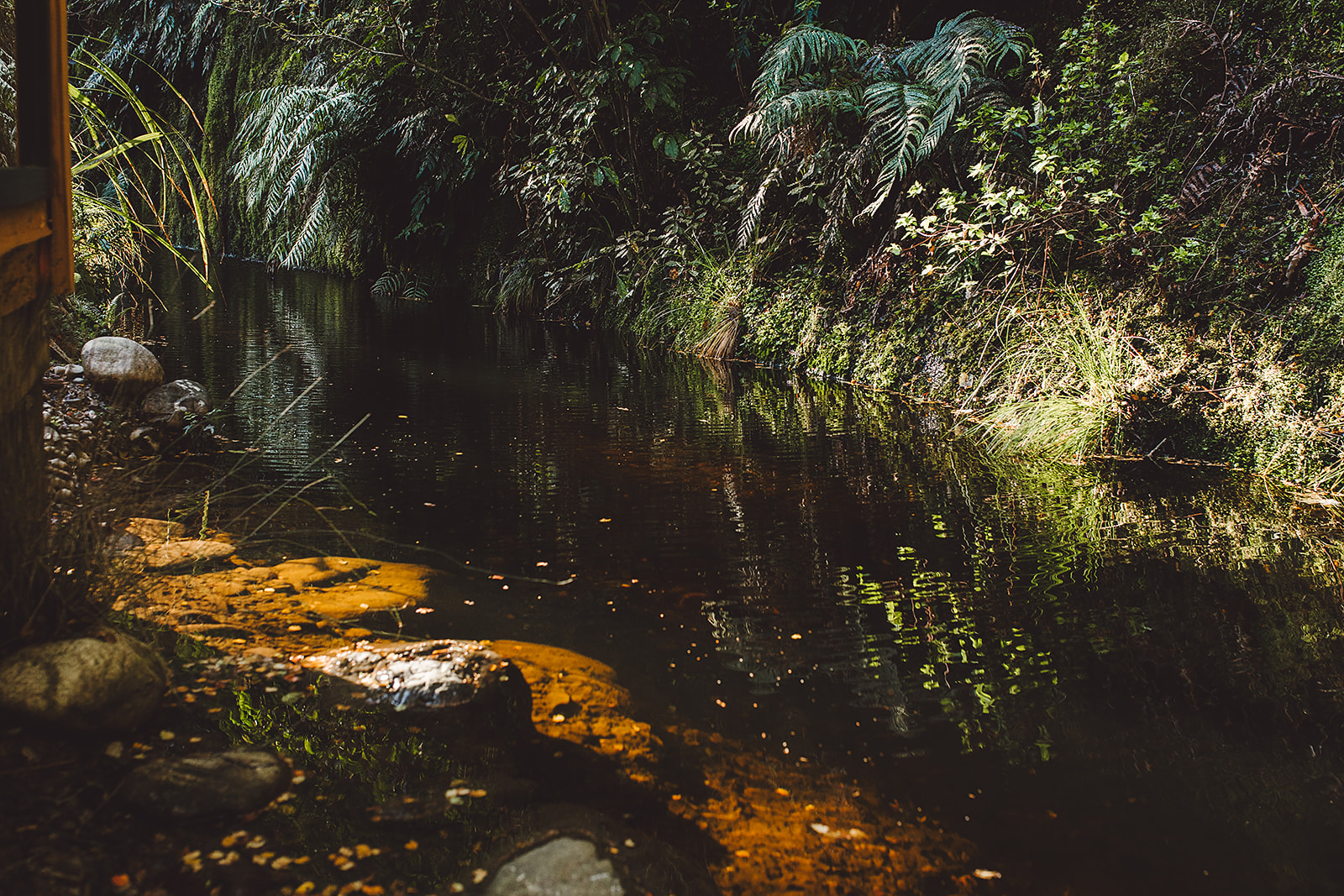
When you think about it, that makes perfect sense, because when you arrive somewhere like the West Coast region of the South Island you aren’t receiving one single thing called “nature”. You’re getting hundreds of sensory signals at once: the smell of damp earth after rain, the texture of the air, birds moving through the canopy, water running somewhere nearby, the softness of light beneath the trees, uneven ground beneath your feet, ferns brushing against the edges of the track. Your system begins orienting towards an entirely different world, and perhaps part of what we describe as “relaxing” is simply the body being given different information to respond to.
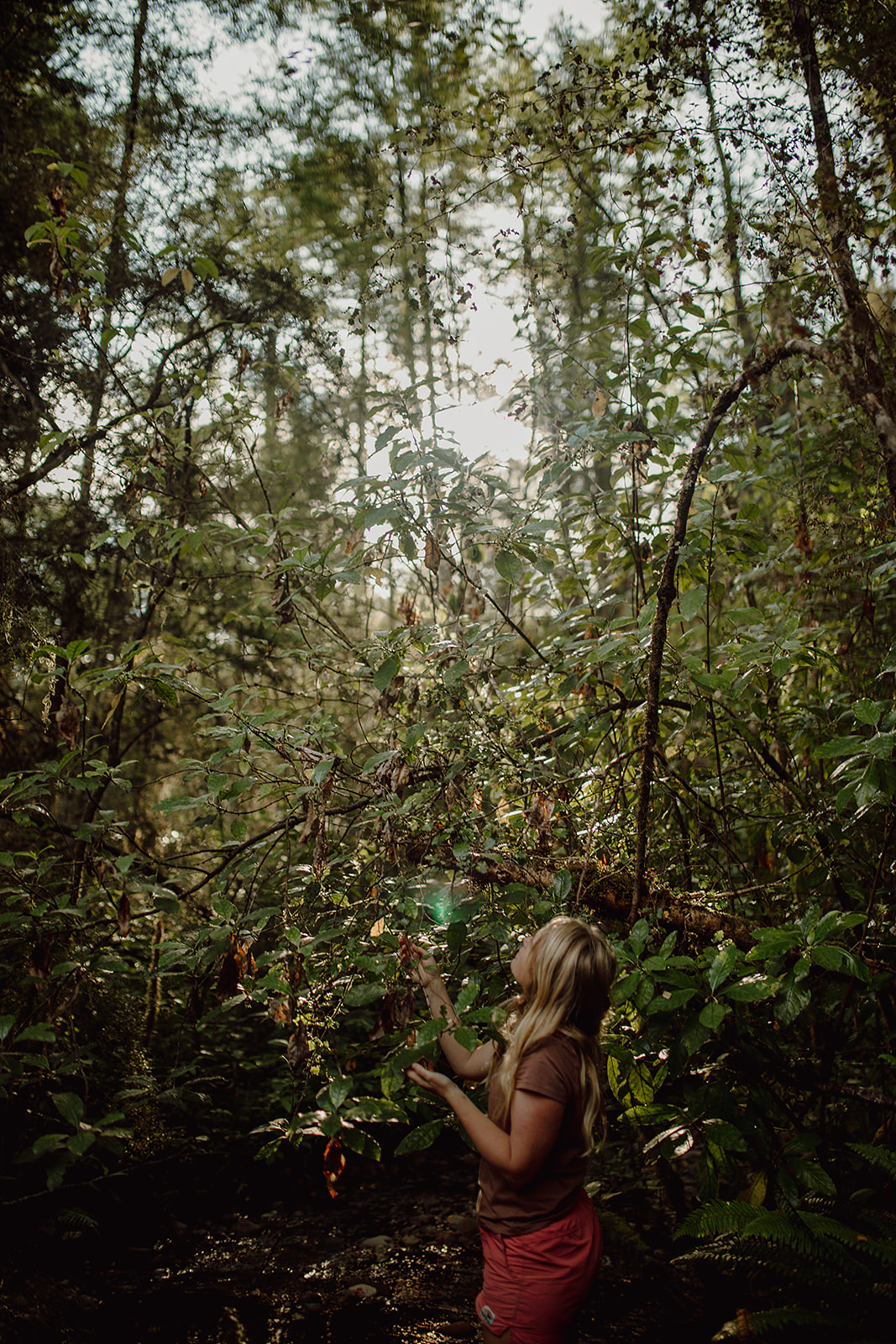
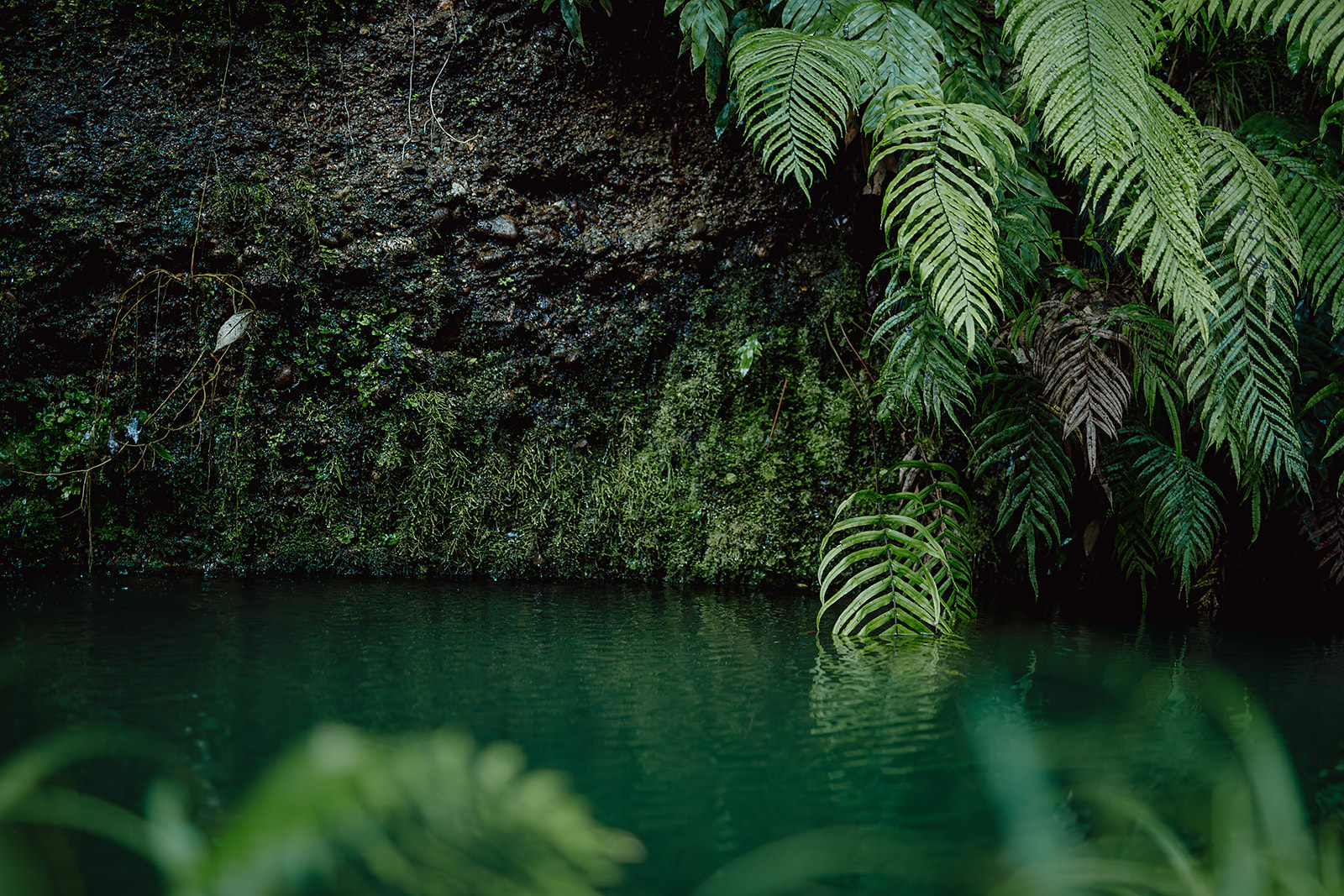
There is no such thing as simply “green”. Walk through the rainforest and actually start paying attention and you’ll see what we mean. There’s the fluorescent green of new growth, the deeper blue-green of older foliage, silver-green lichens, olive leaves, moss, fern green, emerald and those almost-black greens sitting in deep shade beneath the canopy. Then the sun moves and everything changes again.
There is some evidence that green visual environments themselves influence how humans feel. In one small experiment, people exercising while viewing naturally green scenery reported lower mood disturbance and perceived exertion than when the same landscape was shown through grey or red filters. There are limitations to studies like this, and we wouldn’t claim that every individual shade of green carries its own unique health benefit.
However, what researchers are increasingly interested in is natural diversity. A large study published in 2024 collected more than 41,000 real-time assessments from almost 2,000 people and found that environments containing greater diversity, including combinations of trees, plants, birds and water, were associated with higher mental wellbeing.
That makes the experience of walking through biodiverse rainforest far more interesting than the simple idea that “green is calming”, because you aren’t looking at a green wall. You’re looking through layers of living information. Your eyes are constantly moving between foreground and background, shadow and light, movement and stillness, tiny details and enormous structures. The forest has depth, and perhaps our brains respond not only to the colour itself, but to the extraordinary richness surrounding it.
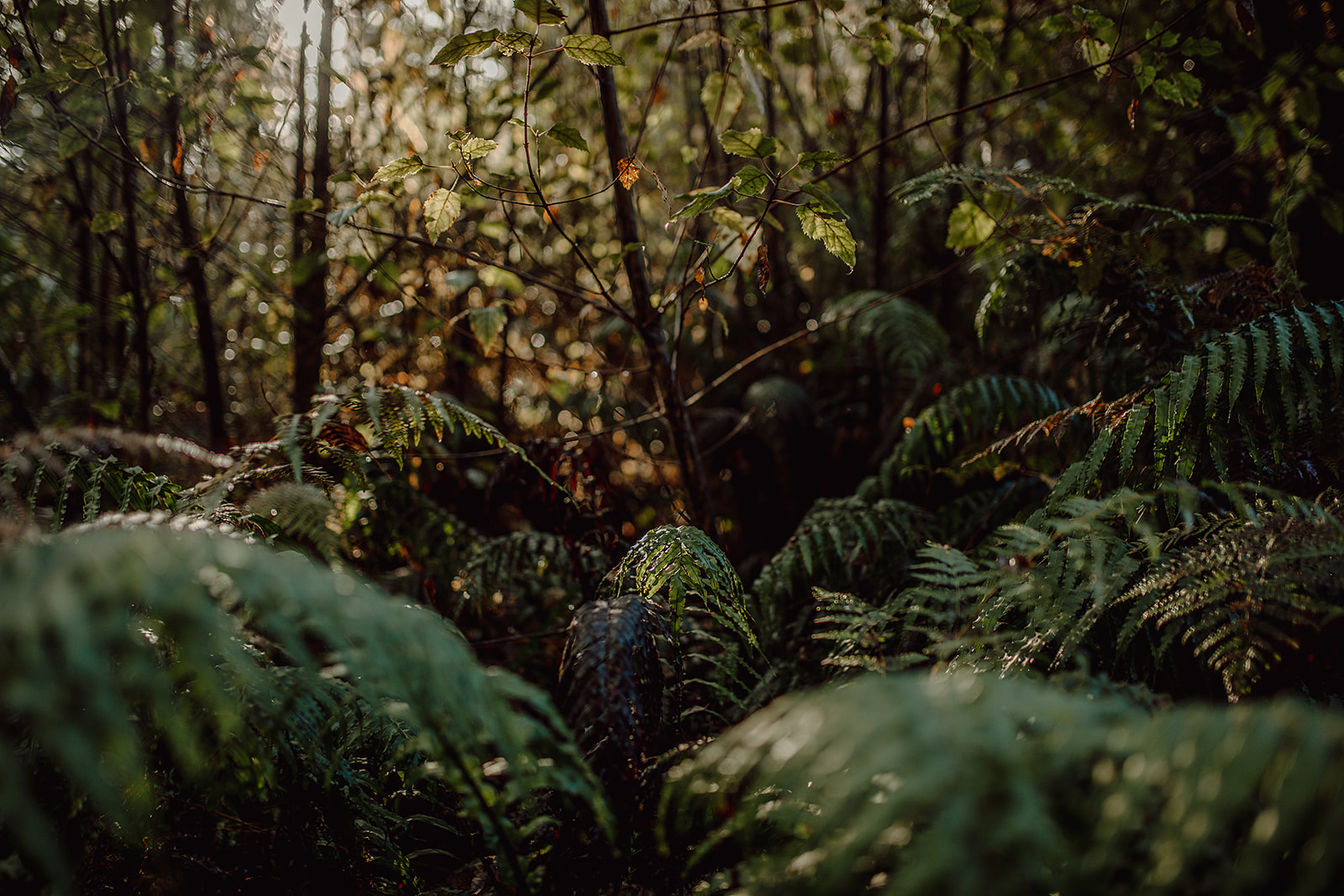
Once you start looking closely, something else becomes obvious: nature repeats itself. A tree trunk divides into branches, which divide into smaller branches and then smaller again. A fern frond contains smaller structures that echo the shape of the whole. Leaf veins resemble tiny river systems, and rivers branch through landscapes in patterns not entirely unlike the branches growing above them.
Clouds, coastlines, mountains, forests and plants all contain forms that repeat at different scales. Many of these structures are known as fractals, and this is where the science becomes really fascinating because researchers have been studying human responses to fractal patterns for decades.
There is evidence that our visual systems process certain natural fractals particularly efficiently. One explanation researchers have proposed is known as fractal fluency, which is the idea that because human vision developed within natural environments containing these recurring patterns, our brains became extremely good at interpreting them.
Certain levels of natural complexity appear to sit in a sweet spot where they are interesting enough to hold our attention without becoming visually exhausting. There’s a lot going on, but somehow it still makes sense. Studies looking at electrical activity in the brain have found different responses to fractal patterns of varying complexity, including increases in alpha-wave activity associated with relaxed wakefulness. More recent work has also found that mid-range fractal patterns may support physiological stress recovery.
That gives us an entirely new way of thinking about that slightly hypnotic experience of staring into a forest. You can look at it for ages because your eyes keep discovering more information, but the information doesn’t necessarily feel demanding. There is complexity everywhere, yet there is coherence within it.
This conversation often leads into Fibonacci spirals as well, although there’s an important distinction worth making. Fractals and the Fibonacci sequence aren’t the same thing.
A fern is a beautiful example of self-similarity, where smaller components reflect aspects of the larger structure. Fibonacci patterns appear more commonly in something called phyllotaxis, the way leaves, seeds and other plant structures arrange themselves as they grow. In many plants, spiral arrangements correspond with consecutive numbers in the Fibonacci sequence, while an angle of approximately 137.5 degrees, commonly called the golden angle, appears frequently in plant growth. Sunflower seed heads and pinecones are probably the most familiar examples.
Here in Aotearoa, of course, there is another natural spiral we recognise immediately: the unfurling fern frond and the form we know as the koru. We don’t need to claim that every koru is a perfect Fibonacci spiral to appreciate the larger idea, because nature can appear completely wild while simultaneously being filled with rhythm, repetition, proportion and structure.
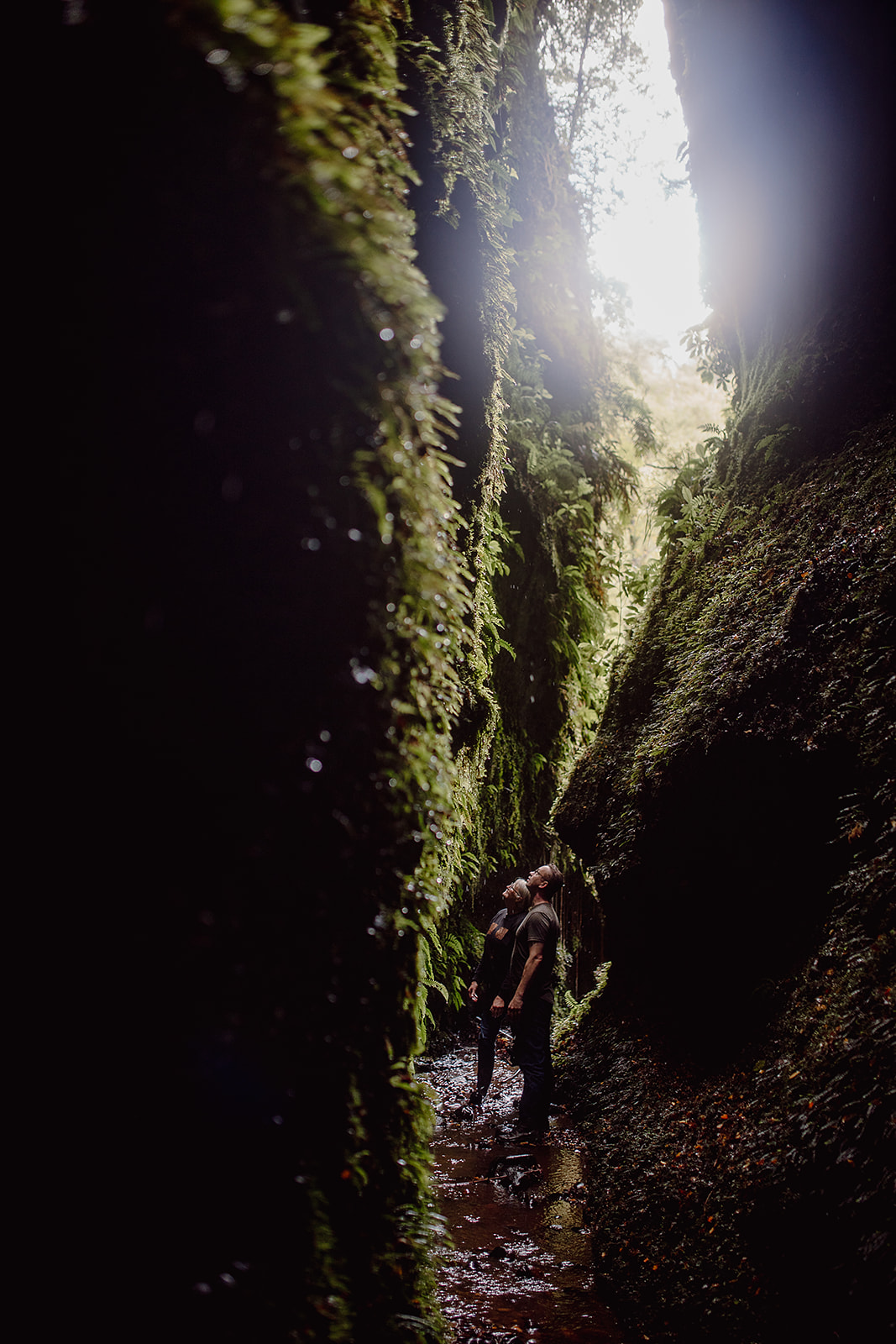
Nobody is wandering down the Golden Gully track measuring fractal dimensions or checking the angles between leaves. We just see it, and somewhere between our eyes, our brains and our bodies, something responds.
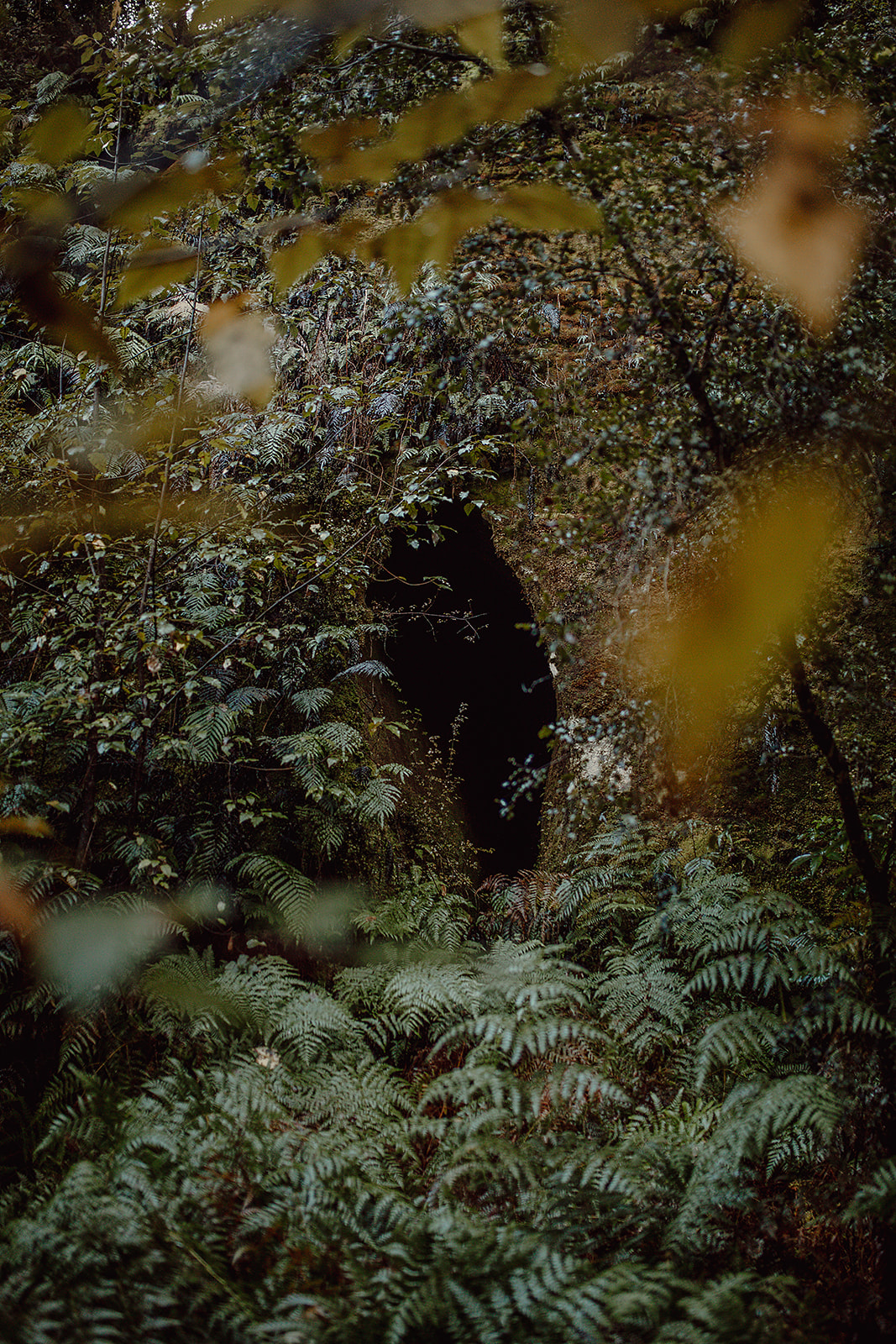
That combination of wildness and order is something we love about the wilderness. The forest isn’t manicured and it isn’t supposed to behave. Ferns grow across tracks, trees fall, moss takes over old structures, water changes course and life grows wherever it finds an opportunity. Yet underneath that apparent wildness is an extraordinary amount of pattern. It’s organised, but not controlled, and perhaps there is something deeply relieving about being inside an environment like that.
The more I've dived into this research, the harder it becomes to point at any one mechanism and say, “That’s why forests feel good,” because there probably isn’t one. You smell soil, leaves, wood and rain. You hear birds, water, wind and insects. Your eyes move between shadow, texture, colour and depth. Your skin registers temperature and humidity, your body adjusts to uneven ground and natural light changes continuously as the canopy moves.
And while there is always something happening, very little of it is shouting at you. Although it may feel particularly loud in the mornings and evenings with the symphony of bird song.
That last piece feels especially relevant now because much of modern life is deliberately designed to capture our attention. Screens centimetres from our faces, notifications, advertising, traffic, emails, messages, bright artificial lighting and a never-ending stream of information asking us to respond to something.
The forest asks almost nothing from us in comparison, and yet there is always something to notice.
This idea sits at the centre of something called Attention Restoration Theory. A huge amount of daily life requires what researchers call directed attention, where you have to deliberately concentrate on one task while ignoring everything else competing for your focus. That takes energy, and do it long enough and cognitive fatigue begins to creep in.
Natural environments appear to engage our attention differently. Researchers sometimes use the phrase soft fascination to describe it, which is a lovely way of putting it. Think about watching water move, flames flicker, clouds change shape or leaves shifting in wind. You’re paying attention, but you’re not working very hard to do it. Nothing needs to be solved and there’s no task to complete. Your attention is occupied without constantly being demanded.
A 2025 systematic review and meta-analysis looking at 80 studies found that natural environments were, on average, more restorative than non-natural environments, with especially consistent benefits appearing in working memory and attentional control. The effects weren’t enormous and varied between studies, but some of the strongest differences appeared after around 30 minutes of exposure.
Which makes sense to us, because you can arrive somewhere beautiful and still bring your entire day in with you. Sometimes the body needs a little time to catch up.
One of the things Lisa and Dave have always understood about Te Aka Treehouse Native Forest Retreat is that the experience isn’t really about cramming things into a stay. It’s almost the opposite. There are wonderful things to do here, of course, from walking the tracks and exploring Golden Gully to stargazing, sitting in the sauna, soaking in the bath or curling up beside the fire.
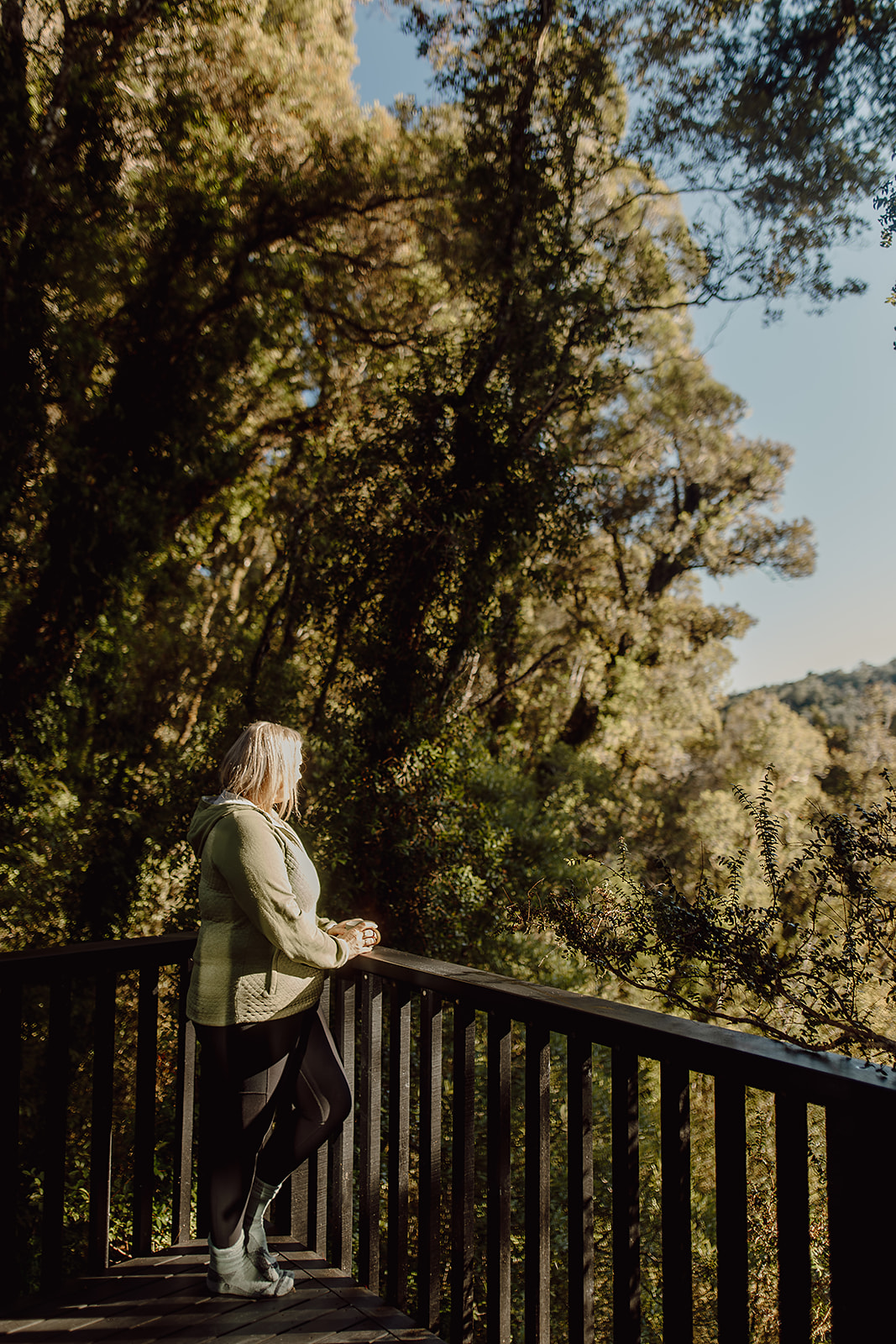
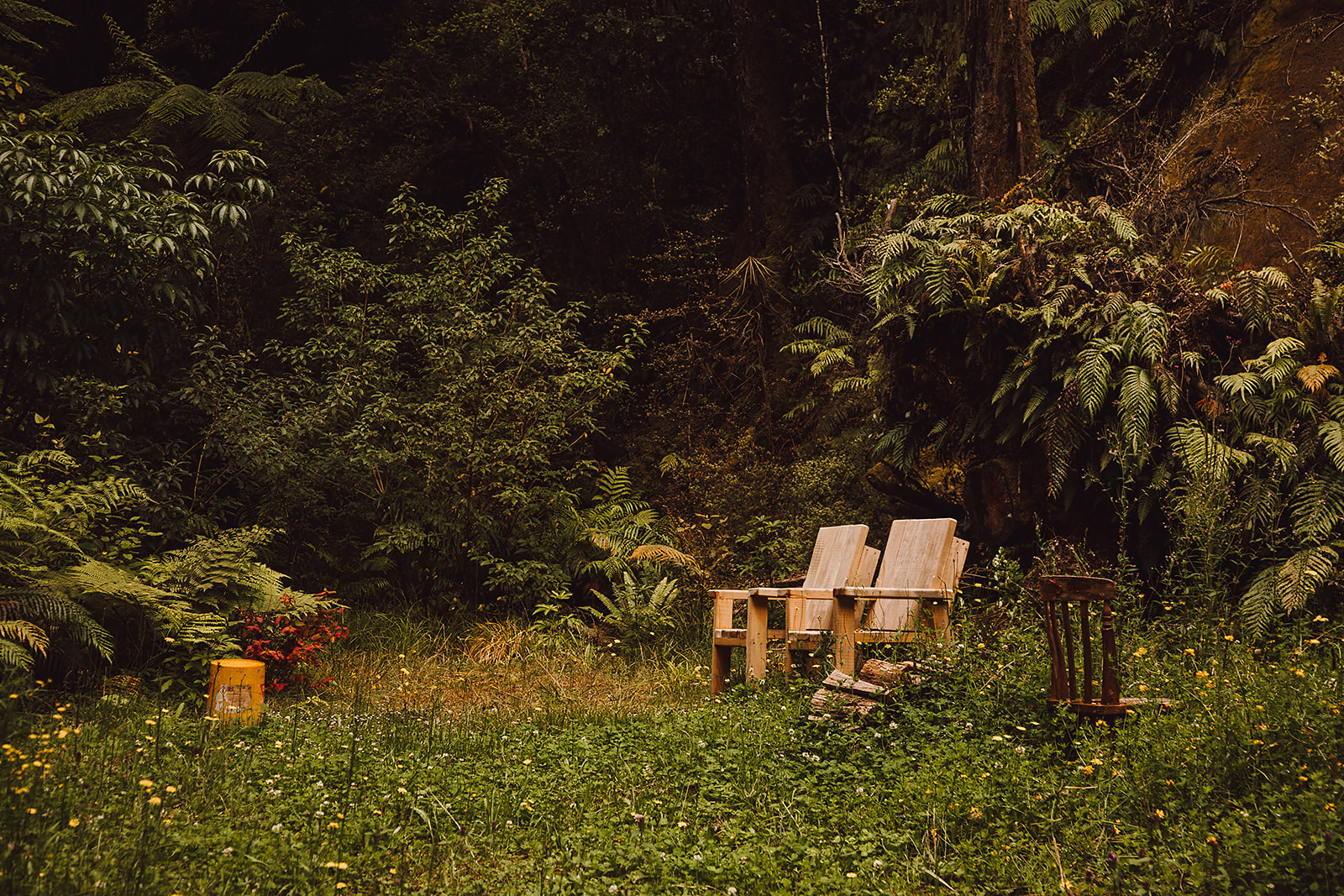
But some of the most meaningful moments are often the ones where guests stop doing very much at all. They sit, look, listen, wander, notice and eventually something settles.

“Nervous-system regulation” has become one of those phrases we hear everywhere now. Sometimes it gets presented as though the nervous system is a machine we can switch from one setting to another if we just find the right breathing exercise, but bodies don’t really work like that.
The idea of attunement feels more useful here.
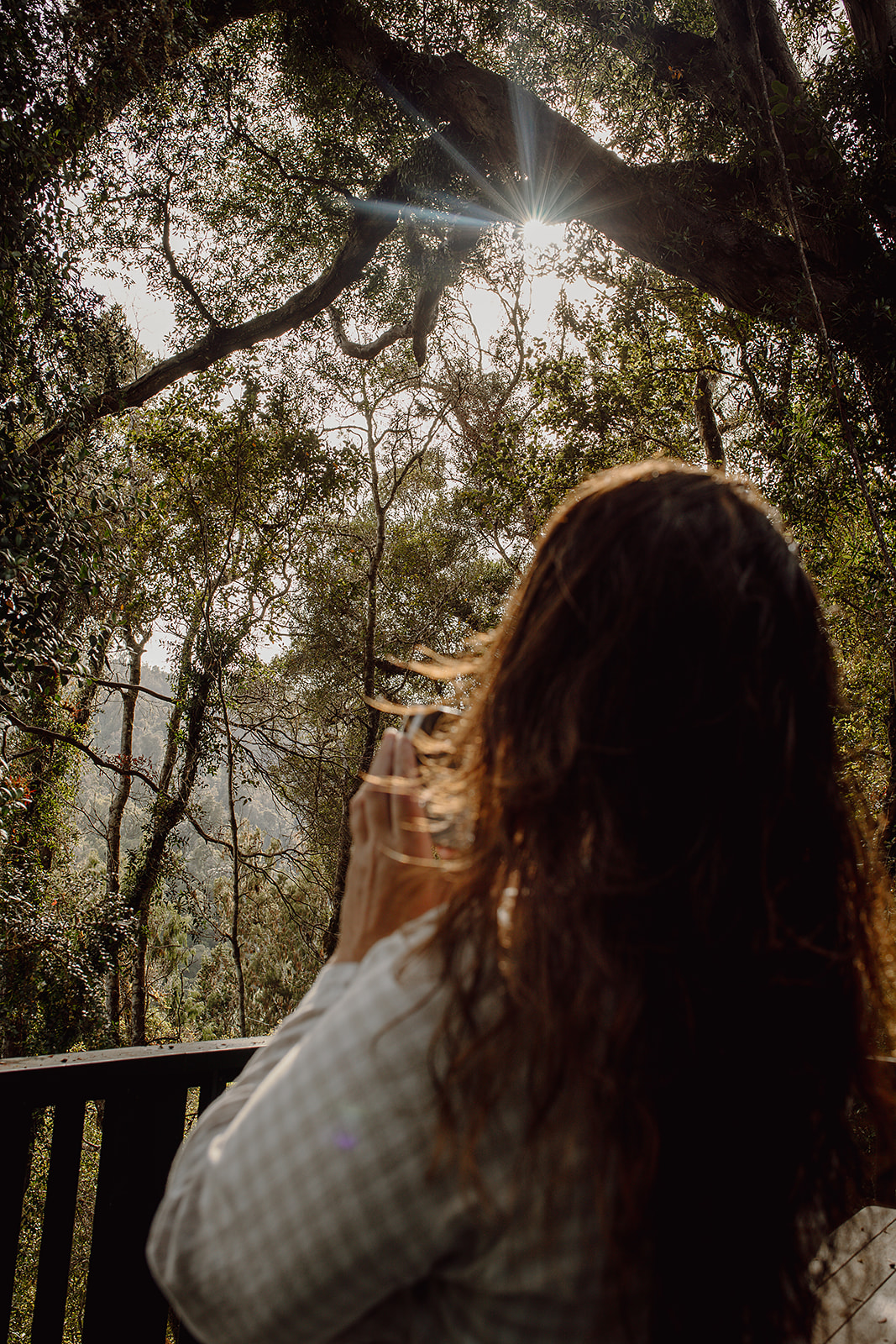
When you enter the forest, your system begins receiving different information. Instead of the sound of an incoming message, perhaps it’s water moving over rock. Instead of a blinking notification, it’s sunlight shifting through the canopy. Instead of a screen filling your entire visual field, your gaze begins moving across depth and distance.
Your attention widens, your breathing may change, you begin noticing where your feet are and there can be an opportunity for the body to stop bracing quite so hard against everything coming at it. We often don't even realise this is happening until we settle in.
Not because the forest has magically fixed your life. Your inbox still exists, and the things you need to deal with are still there, but perhaps your relationship to them feels different after your system has been given a chance to orient towards something else.
Connection is harder to measure, but that doesn’t make it less relevant.
There is a strange perspective shift that can happen when you’ve spent enough time somewhere old, large or very alive. Researchers talk about nature connectedness, the psychological sense of relationship we feel with the natural world, and stronger nature connectedness has repeatedly been associated with greater wellbeing.
Interestingly, the relationship isn’t simply about feeling happier. Studies have also connected it with what psychologists call eudaimonic wellbeing (pronounced you-dye-MON-ik — and yes, I had to look that one up too), which is less about simply feeling happy and more about vitality, meaning, personal growth and the sense that life has depth and purpose.
That feels closer to what we see here, because being in the forest doesn’t always make people bubbly and cheerful. Sometimes it makes them reflective. Sometimes emotional. Sometimes they become very still, and sometimes they start talking about things they haven’t thought about in years. Other times they simply realise they haven’t sat anywhere without needing to achieve something for a very long time.
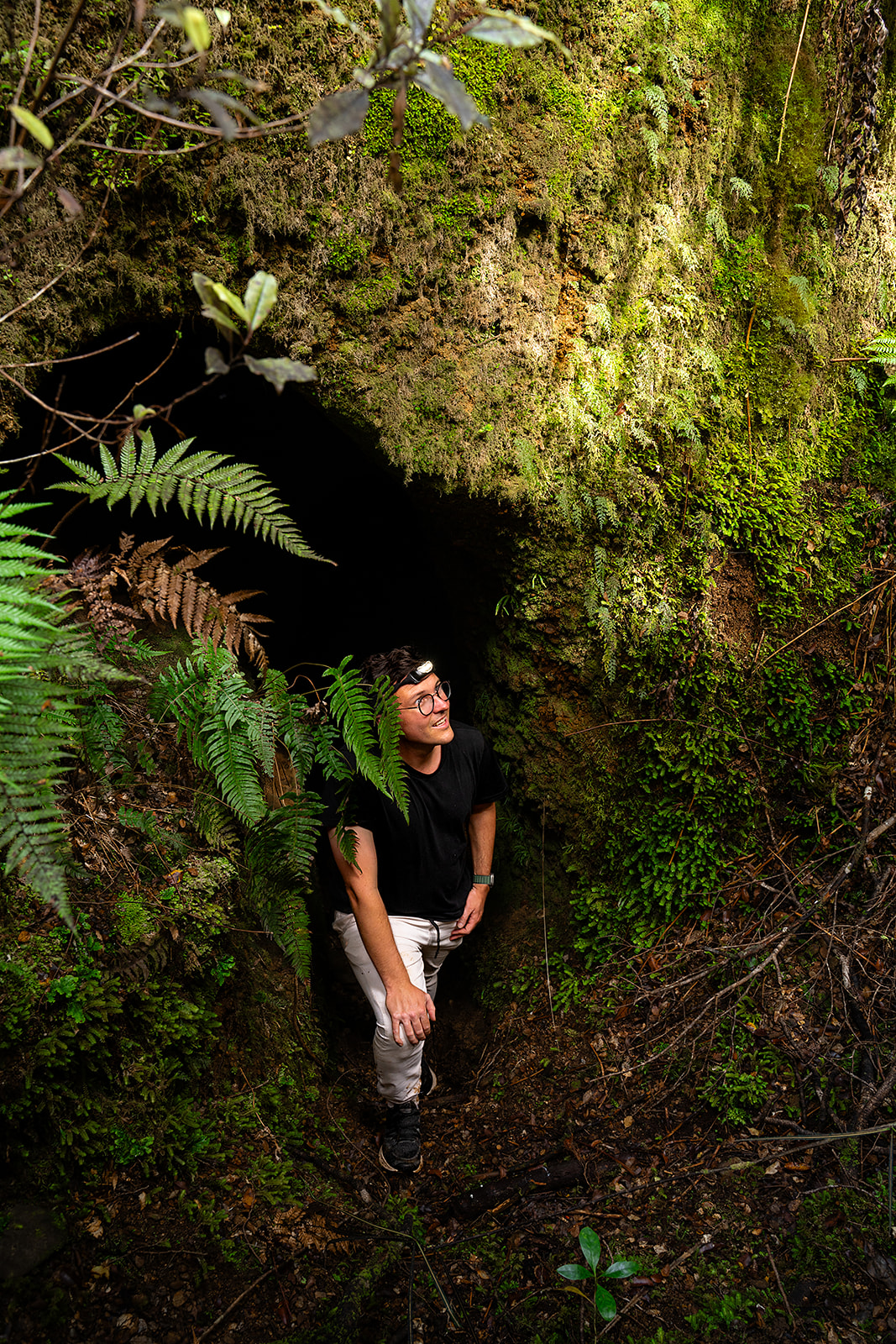
Lisa and Dave have watched generations of growth, weather, loss and regeneration on this property. Trees fall, new growth emerges beneath them, water reshapes parts of the land and old gold-mining history is slowly reclaimed by moss and roots.
There’s perspective in that. The forest existed before the email you’re worried about. Trees are growing around fallen trees, fungi are turning what has died into what comes next, water continues downhill and the birds are having some enormously important argument at dawn regardless of whether any of us hit our targets this month.
There is something freeing about remembering that. You still matter and your life still matters, but perhaps the thing consuming all of your attention doesn’t have to occupy the entire world.
The word “reconnect” gets used a lot, and we use it too, but the more we think about this the more we wonder if perhaps the better word is remember.
For almost all of human history, our sensory systems developed inside environments filled with natural light, plants, water, irregular landscapes, weather, animals, fractal structures, seasonal change and other living things. Screens, asphalt, artificial lighting and twenty-four-hour digital communication arrived remarkably late in that story.
That doesn’t mean modern life is inherently bad or that we all need to disappear into the forest and renounce Wi-Fi. We rather like Wi-Fi, it has it's uses.
It simply raises an interesting possibility.
Maybe that feeling we experience when we step beneath a forest canopy isn’t us discovering some new wellness hack. Perhaps our bodies recognise the environment: plant compounds carried through the air, layers upon layers of green, fractal patterns running through ferns, trees and waterways, birdsong, earth, temperature, natural light, depth, movement and an almost complete absence of manufactured urgency.
Our attention begins to soften and our perspective gets a little wider. Whatever was taking up the entire landscape inside our heads might become one small part of something much larger.
And perhaps that is one of the reasons untamed wilderness places like the West Coast region matter. Not simply because they are beautiful, and not because escaping everyday life for a few days solves everything, but because places like this give us an opportunity to remember that we are biological creatures too. We belong inside living systems, we respond to them, and somewhere underneath all the cleverness and pace of modern life there are parts of us that still know exactly what to do when we find ourselves beneath the trees.
Science is still teasing apart exactly why nature affects us the way it does, and some of the bigger claims made around forest bathing run well ahead of the evidence. But we don’t have to wait until every mechanism has been mapped before becoming curious about what both research and lived experience continue to point towards.
Next time you’re immersed in any forest, stay a little longer than you normally would. Look properly. See how many greens you can find, follow the shape of a fern, notice where the light lands, listen beyond the loudest sound and breathe the place in. Cultivate curiosity in the moment.
Then see what changes.
Perhaps the forest hasn’t been asking us to escape our lives. Perhaps it’s simply reminding us what being alive feels like.
Li Q. et al. (2009). Effect of phytoncide from trees on human natural killer cell function. International Journal of Immunopathology and Pharmacology.
Phytoncides and immunity from forest to facility (2024). Systematic review and meta-analysis examining phytoncide exposure and immune function.
Antonelli M., Barbieri G. & Donelli D. (2019). Effects of forest bathing (shinrin-yoku) on levels of cortisol as a stress biomarker: a systematic review and meta-analysis. International Journal of Biometeorology.
The effects of forest bathing on psychological well-being (2023). Systematic review and meta-analysis of 36 studies involving 3,554 participants.
Akers A. et al. (2012). Visual color perception in green exercise: positive effects on mood and perceived exertion. Environmental Science & Technology.
Hammoud R. et al. (2024). Smartphone-based ecological momentary assessment reveals an incremental association between natural diversity and mental wellbeing. Scientific Reports.
Hägerhäll C. et al. (2008). Investigations of human EEG response to viewing fractal patterns. Perception.
Taylor R. et al. (2024). Fractal Fluency: Processing of Fractal Stimuli Across Sight, Sound, and Touch. Advances in Neurobiology.
Ibrahim A. et al. (2025). The role of fractal patterns in modulating stress response and recovery in virtual indoor environments. Building and Environment.
Hedblom M. et al. (2019). Reduction of physiological stress by urban green space in a multisensory virtual experiment. Scientific Reports.
The relationship between nature exposures and attention restoration, as moderated by exposure duration (2025). Systematic review and meta-analysis of 80 studies. Journal of Environmental Psychology.
Pritchard A. et al. (2020). The Relationship Between Nature Connectedness and Eudaimonic Well-Being: A Meta-analysis. Journal of Happiness Studies.
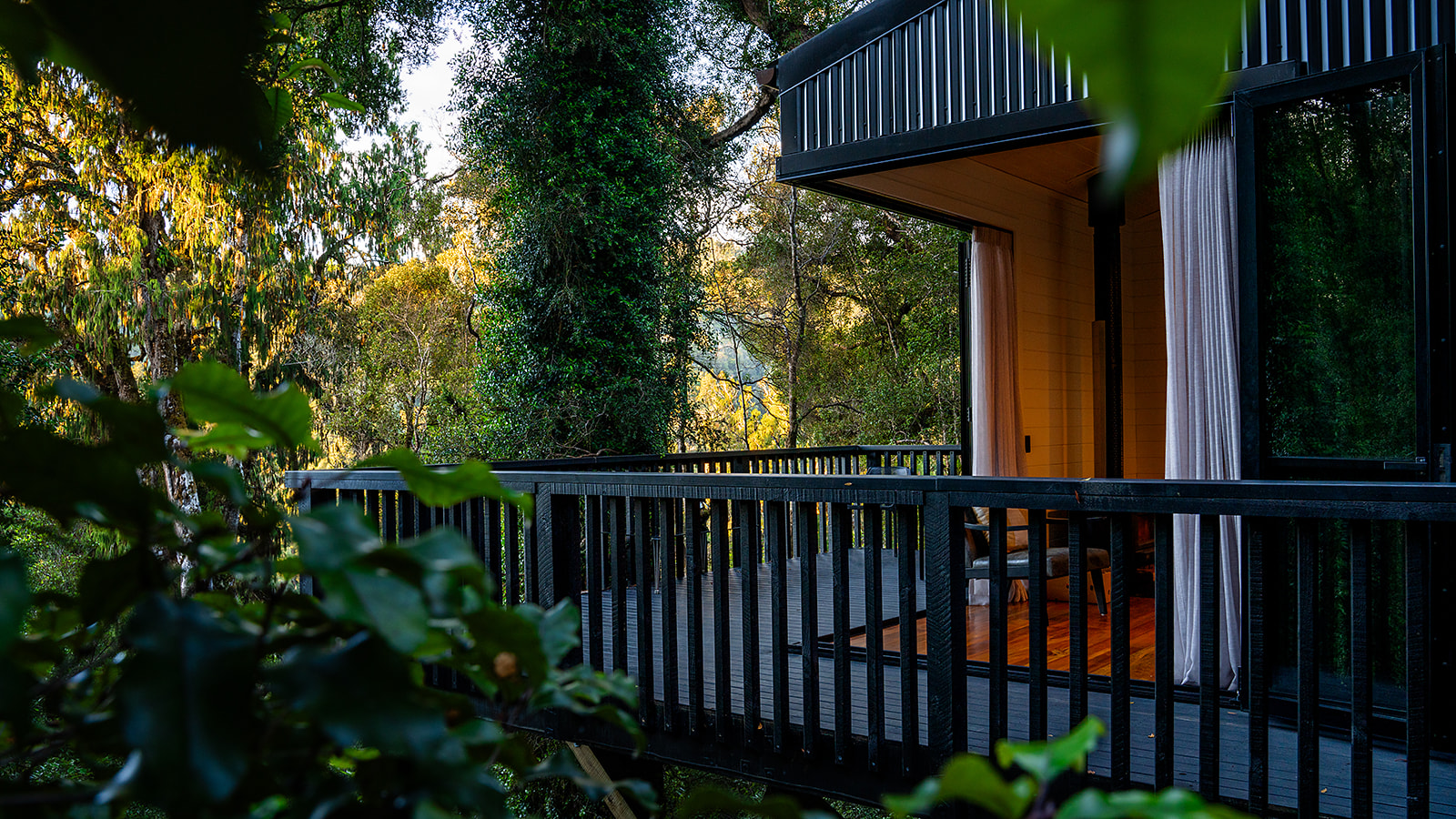
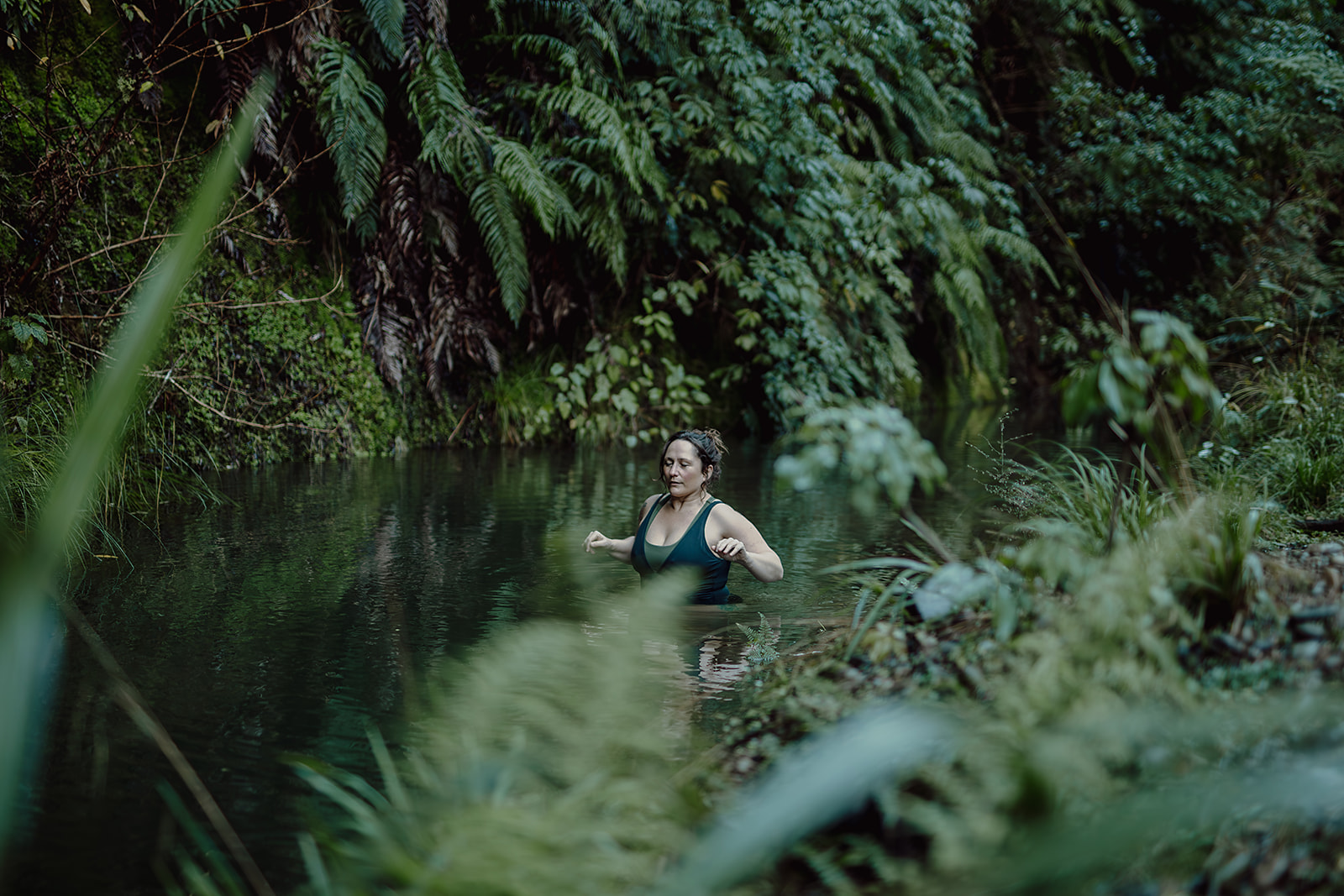
The ultimate West Coast escape — off-grid, indulgent, unforgettable. Your space to rest, reconnect, and explore untamed wilderness.