
Te Aka isn’t just a luxury stay tucked into the rainforest — it’s a living piece of land, complete with horses in the paddock, chickens scratching through the garden, and a spaniel who believes she’s in charge. In this blog, we share the simple rhythm of life alongside our animals — how they shape the energy of the place, ground our guests, and remind us that this isn’t a staged retreat, but a real, working slice of West Coast life. Muddy boots and all.
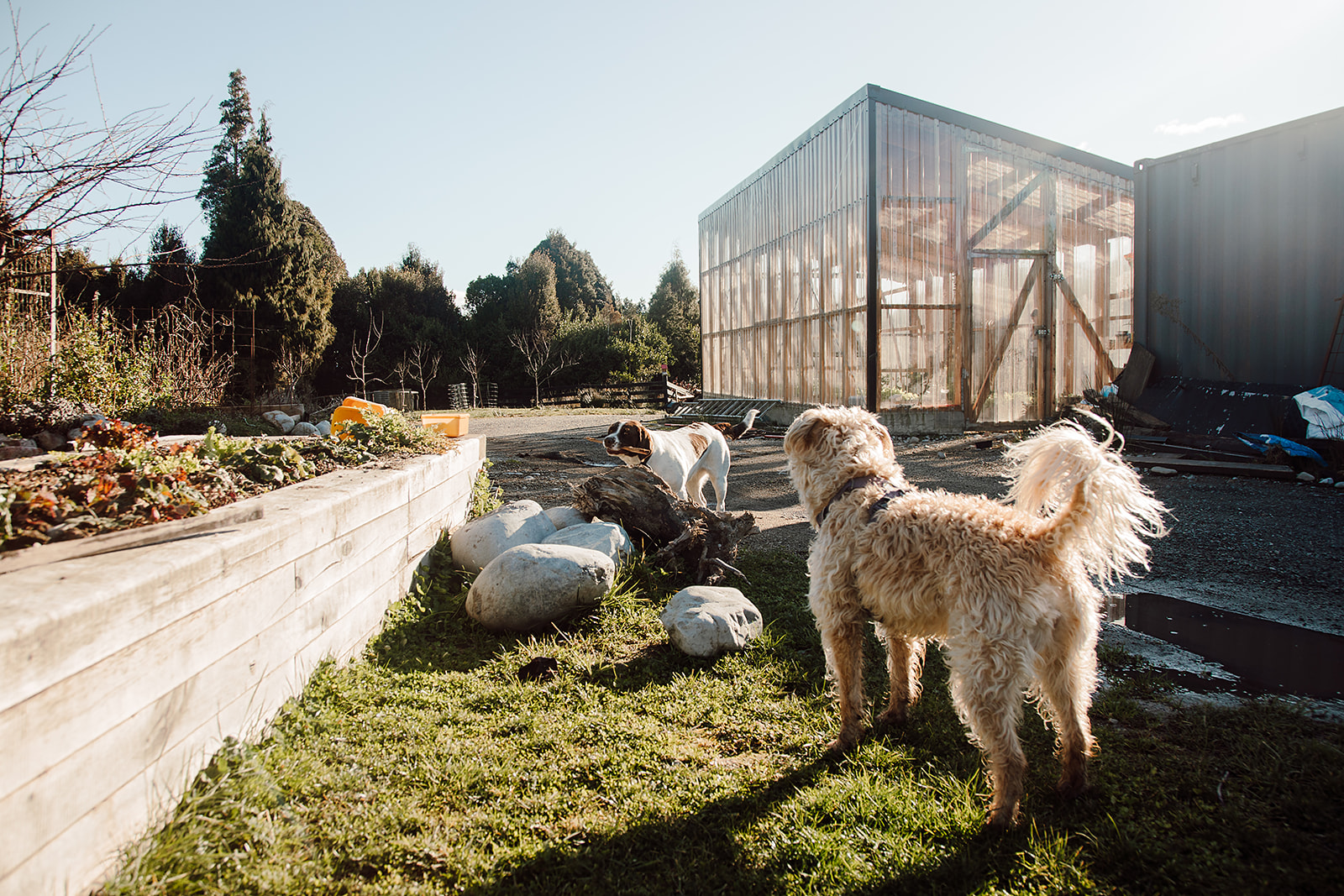
If you’ve followed Te Aka for a while, you’ll know we don’t take ourselves too seriously.
Yes, there’s luxury in the canopy.
Yes, there’s fine linen, cedar sauna, cold plunge, stargazing, and beautifully curated interiors.
But there’s also mud on boots. Seedlings in trays. And a small cast of four-legged personalities who absolutely believe they run the place.
The animals are part of the rhythm here.
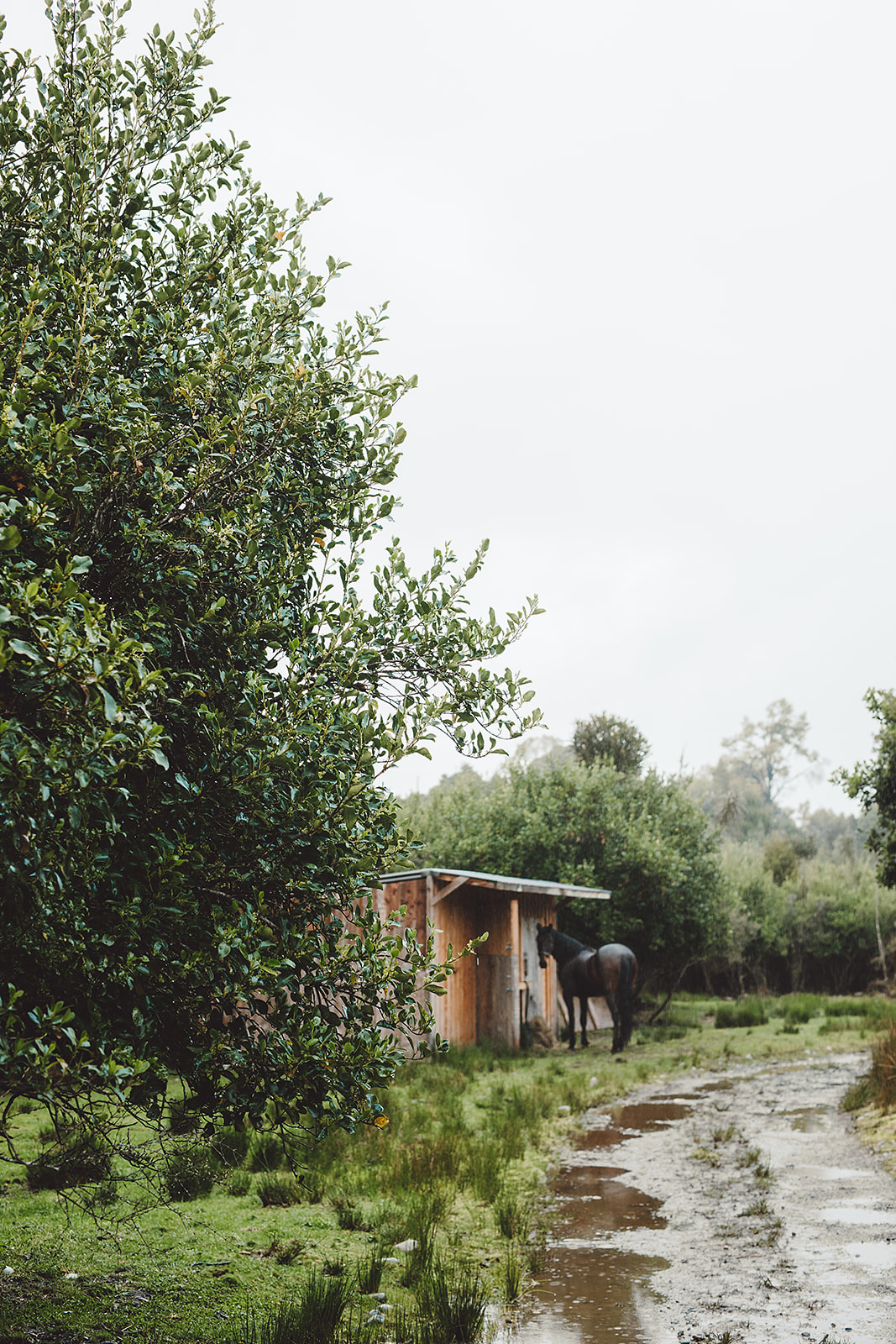
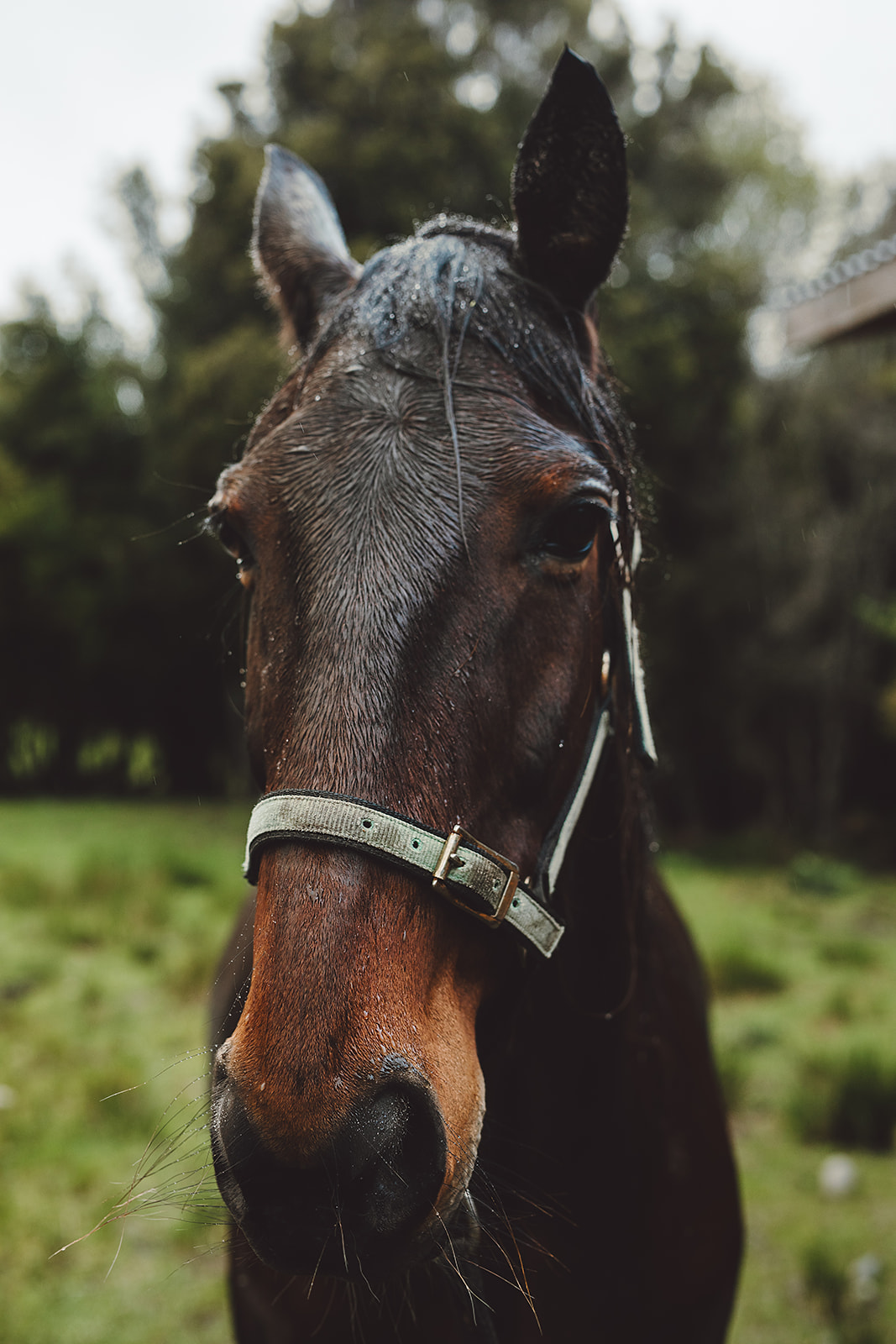
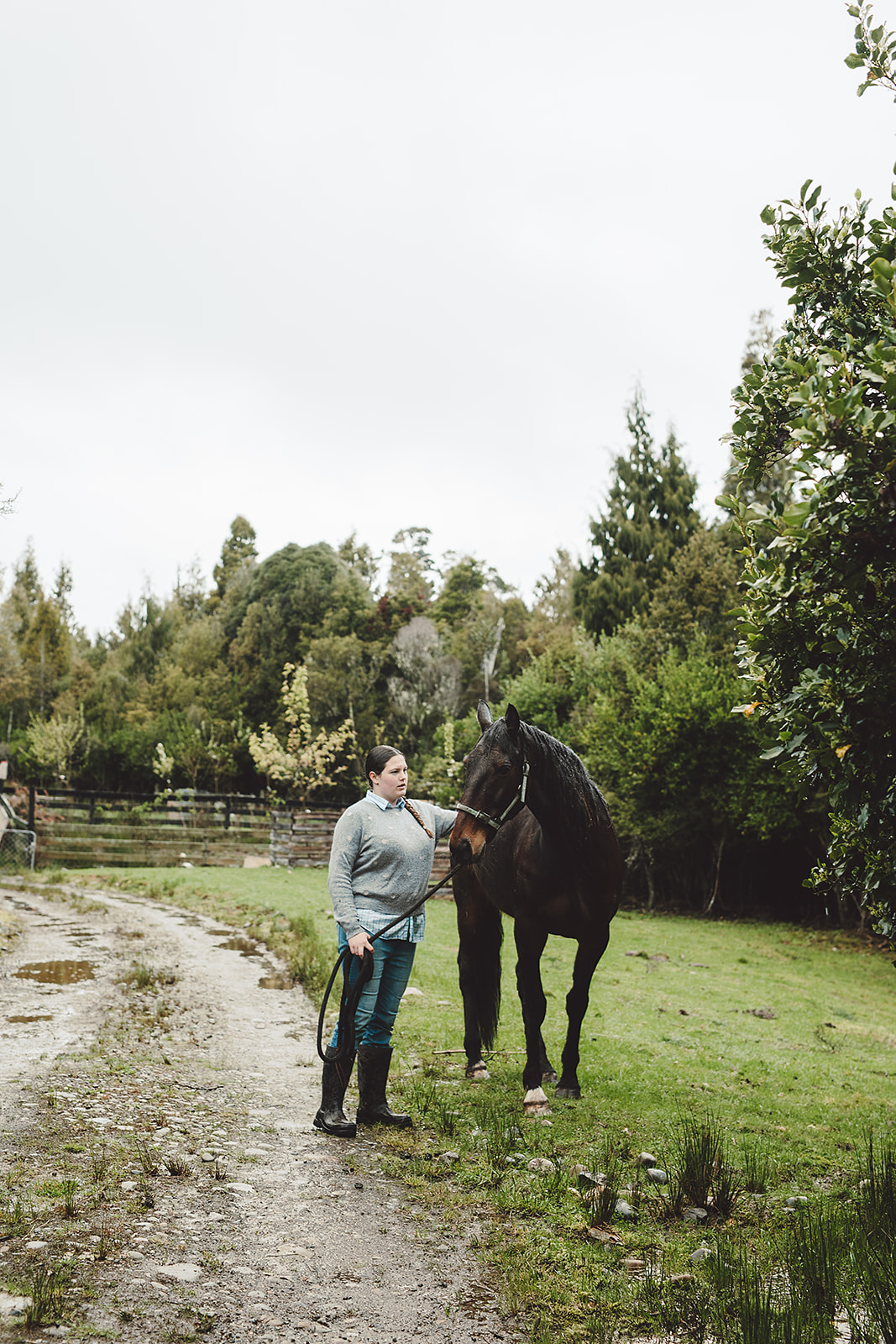
Banjo the horse grazing at the edge of the paddock.
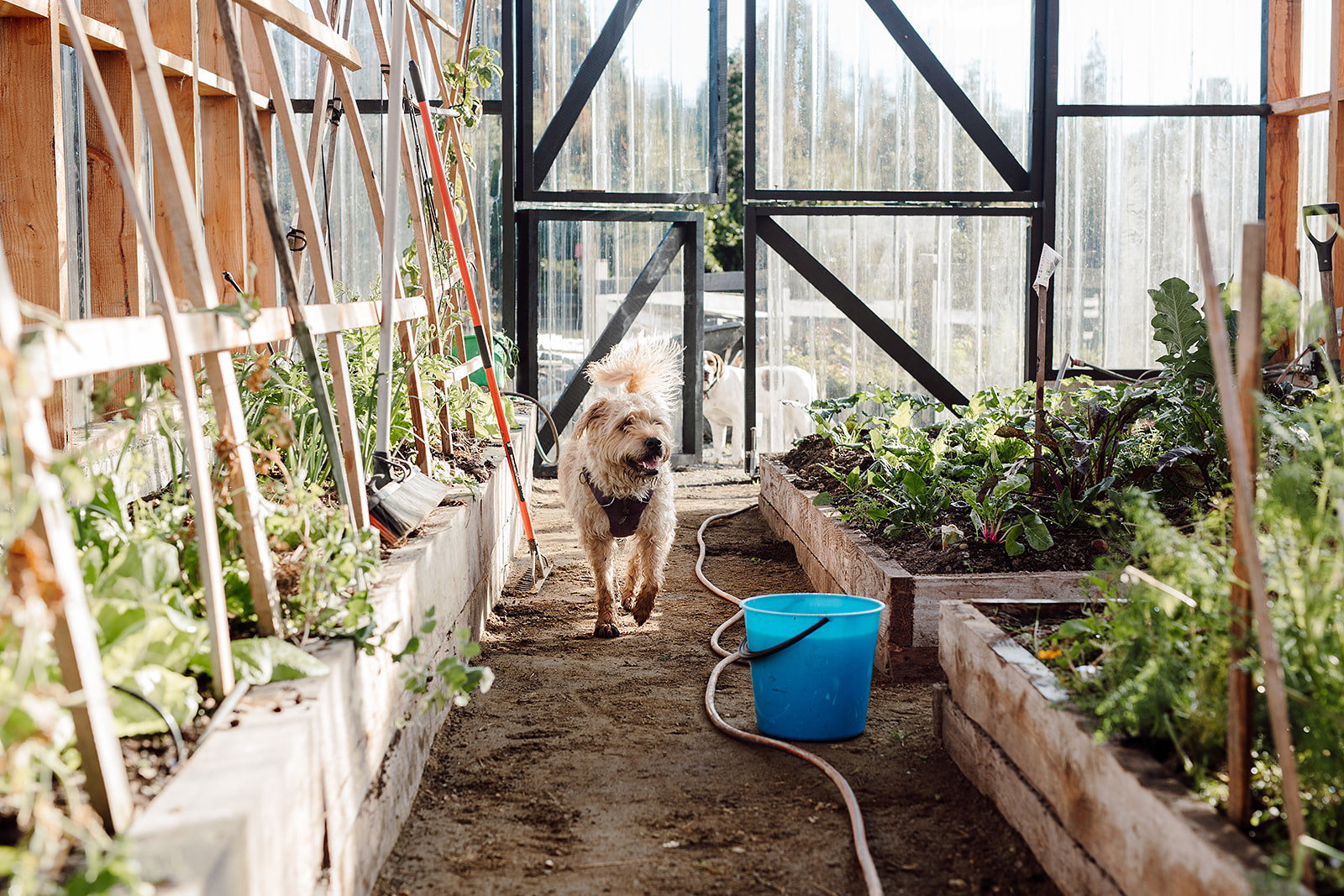
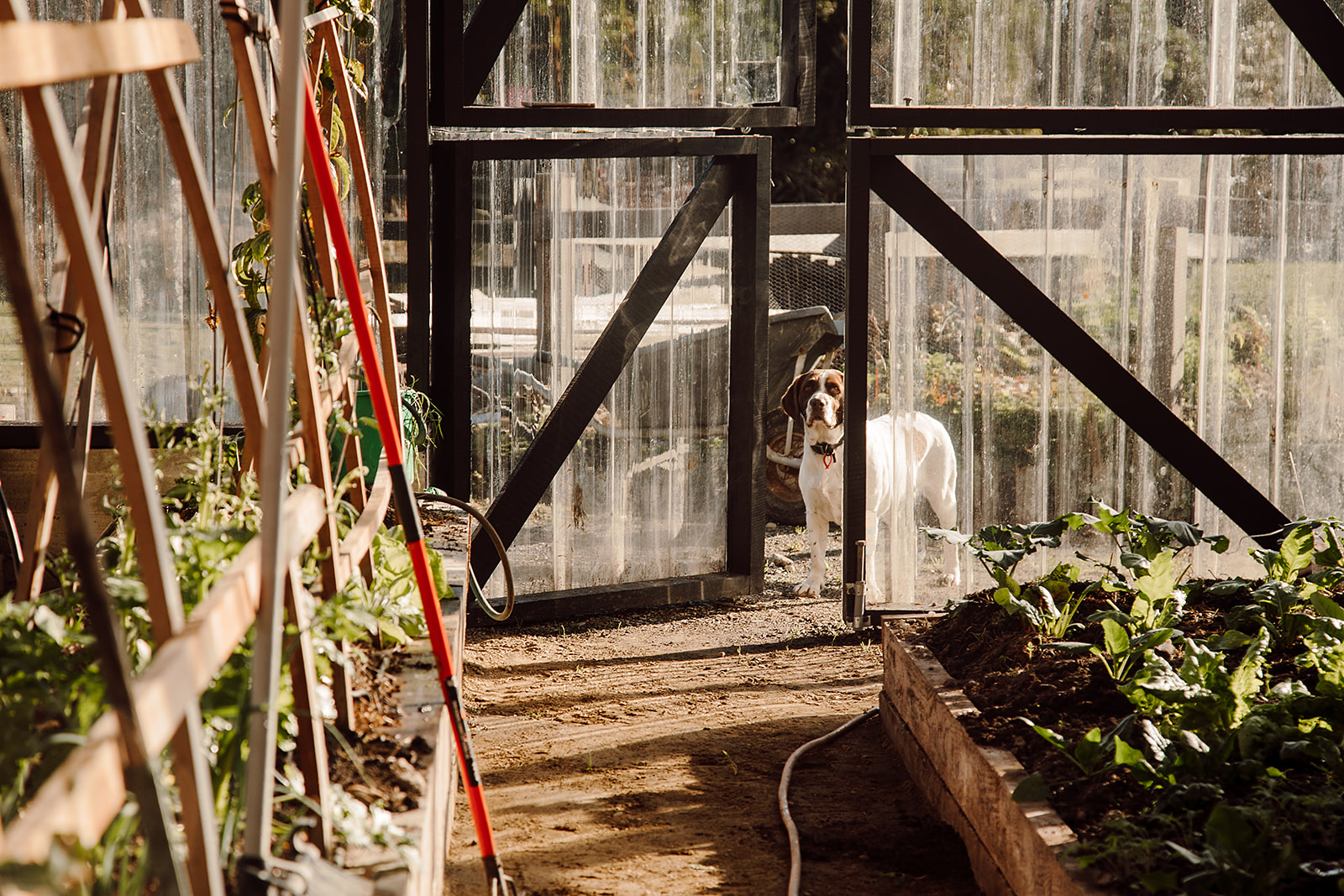
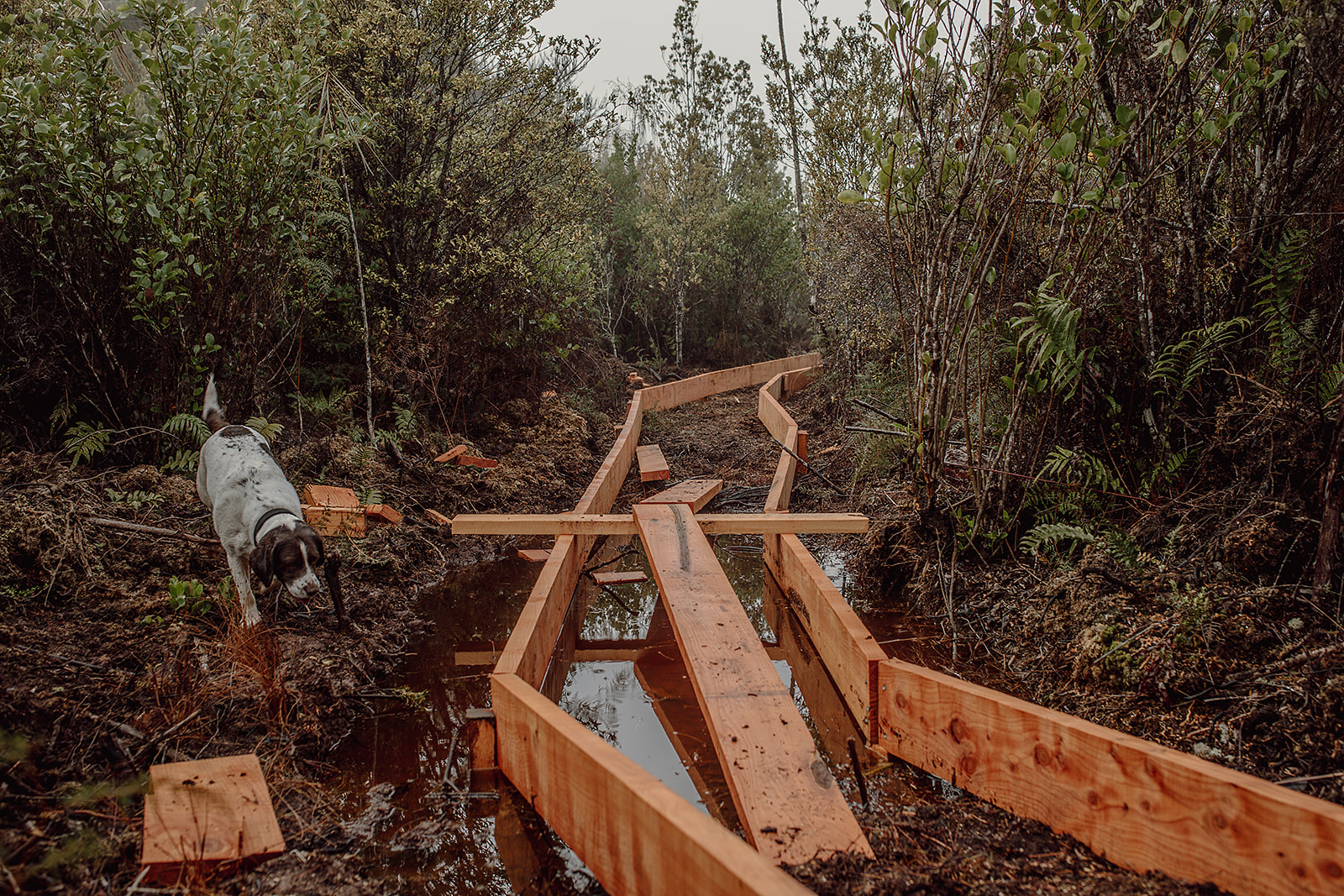
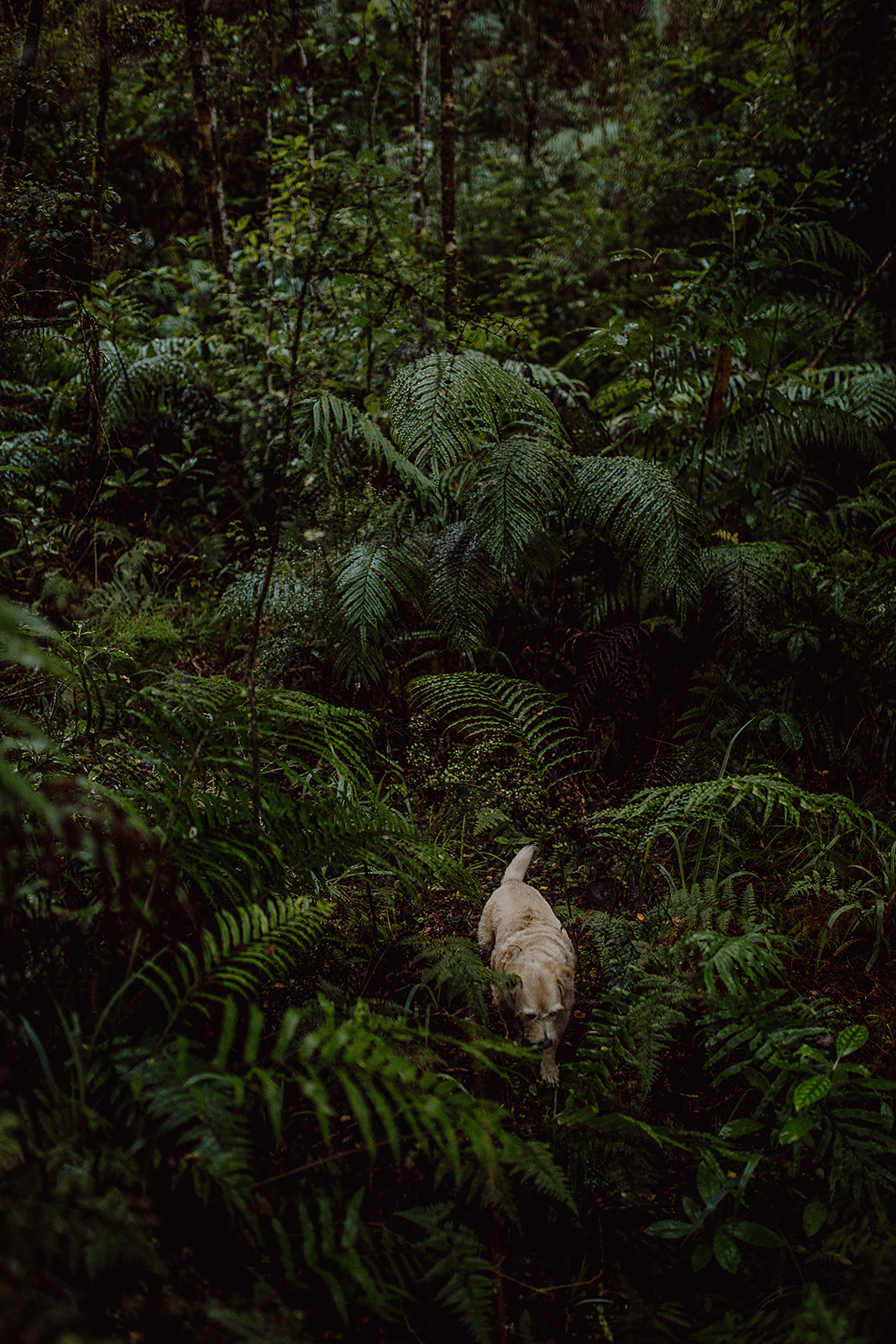
Muddles the spaniel supervising garden duties (with varying levels of usefulness).
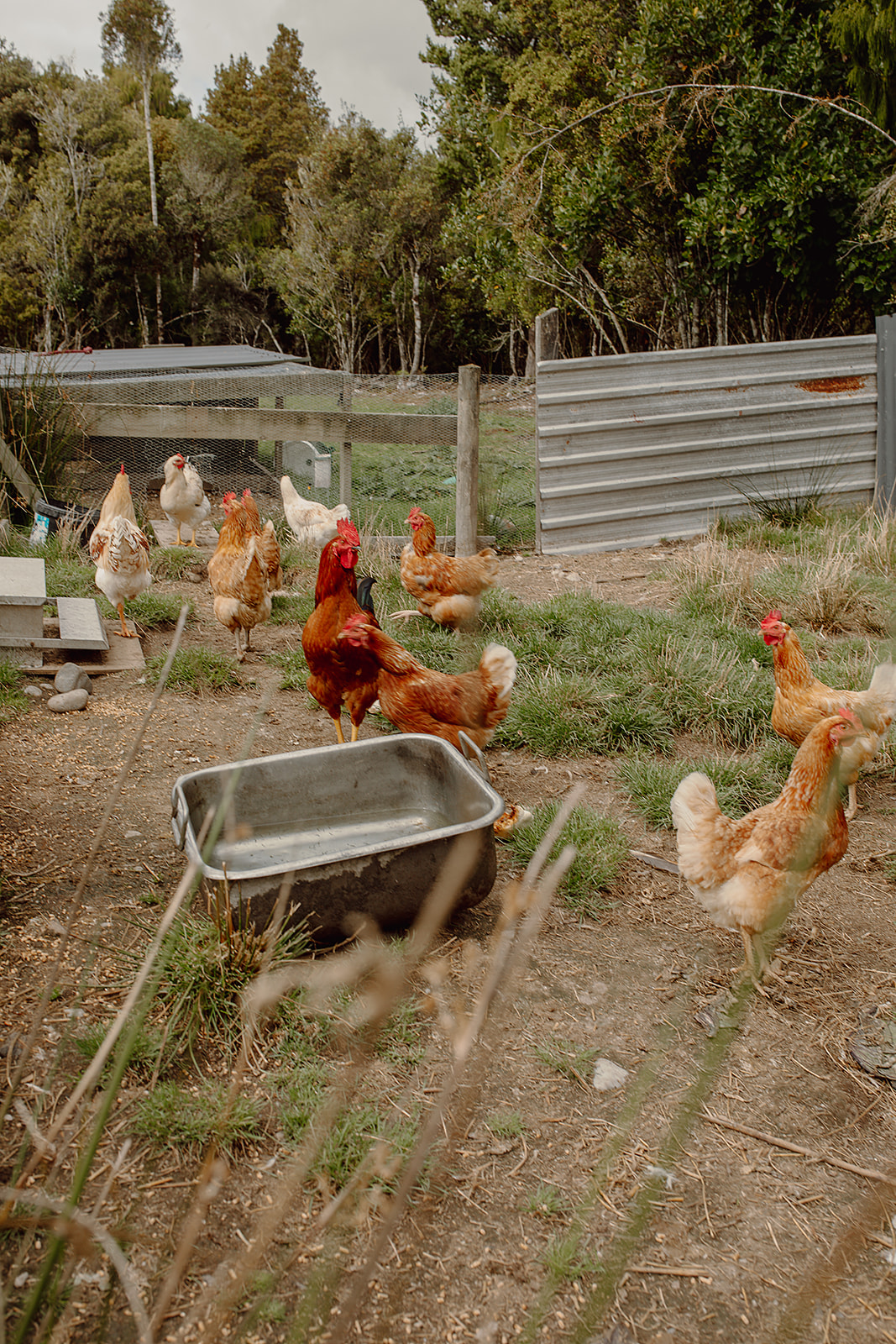
Chickens scratching through soil, turning scraps into tomorrow’s eggs.
The slow seasonal work of tending land, not just occupying it.
Guests often light up when they realise this isn’t just a “stay.” It’s a living ecosystem.
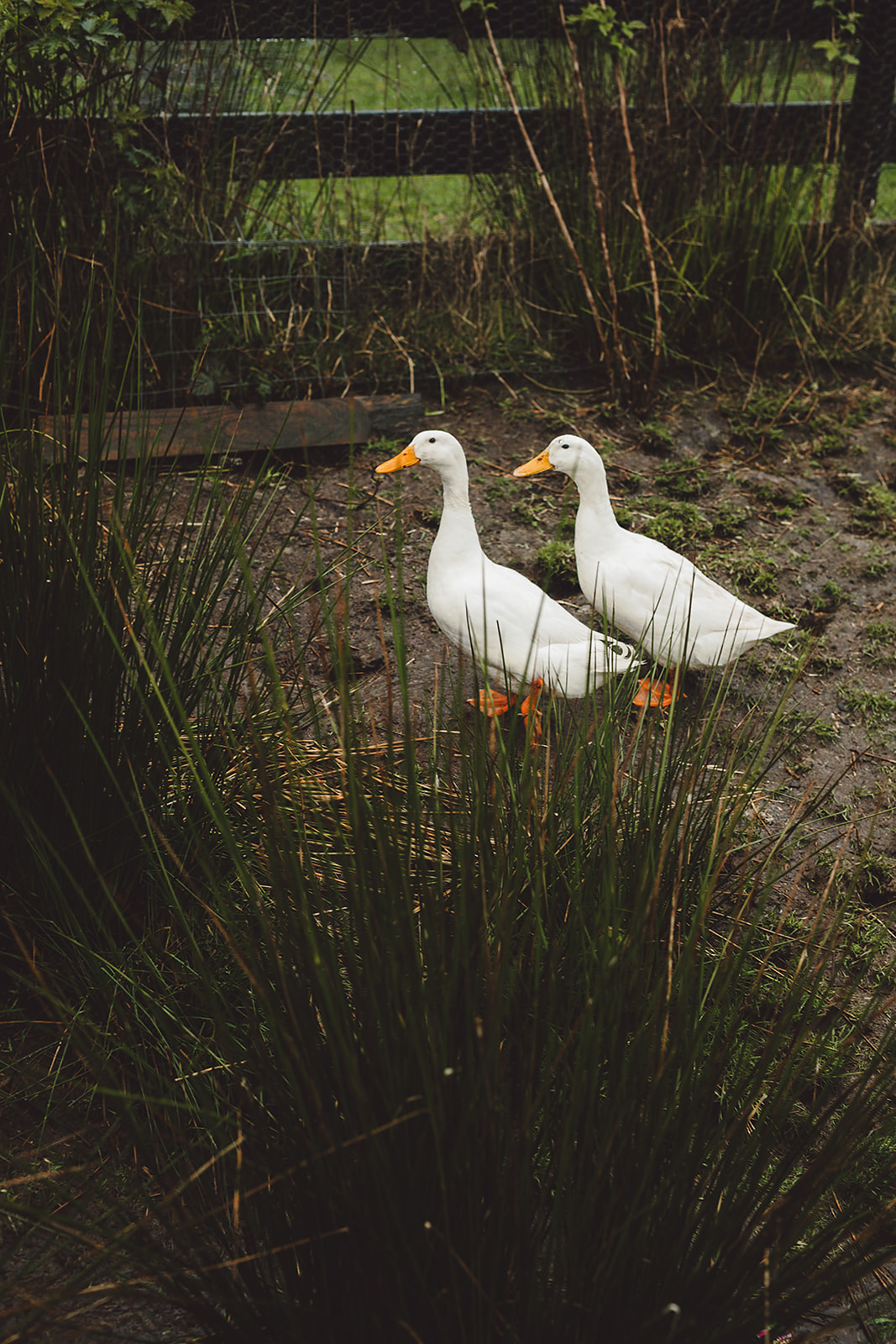
Morning coffee sometimes comes with the sound of hooves in the distance. Evening walks might include a curious canine escort edging towards the sticks along the path. Children (and adults, let’s be honest) get the simple joy of feeding chooks, ducks, or watching horses move through mist.
There’s something grounding about being around animals.
They respond to presence.
The garden and animals exist in cycle — compost becoming soil, soil becoming greens, greens becoming meals. Kitchen scraps returning to the earth. Seeds becoming seedlings. Hands in dirt. Life feeding life.
It’s not a large-scale farm. It’s a considered, personal patch of land being slowly nurtured. Harakeke growing stronger each season. Herbs being cut for dinner. Vegetables planted from seed and harvested weeks later. Guests tasting produce that was in the soil not long before.
That cycle — from earth to plate to earth again — is part of what makes Te Aka feel alive.
The animals remind us of it.
They soften the edges of the “luxury” label. They keep things honest. They bring humour. They make the place feel inhabited, not staged.
And for many guests, that’s the magic.
Not just the sauna.
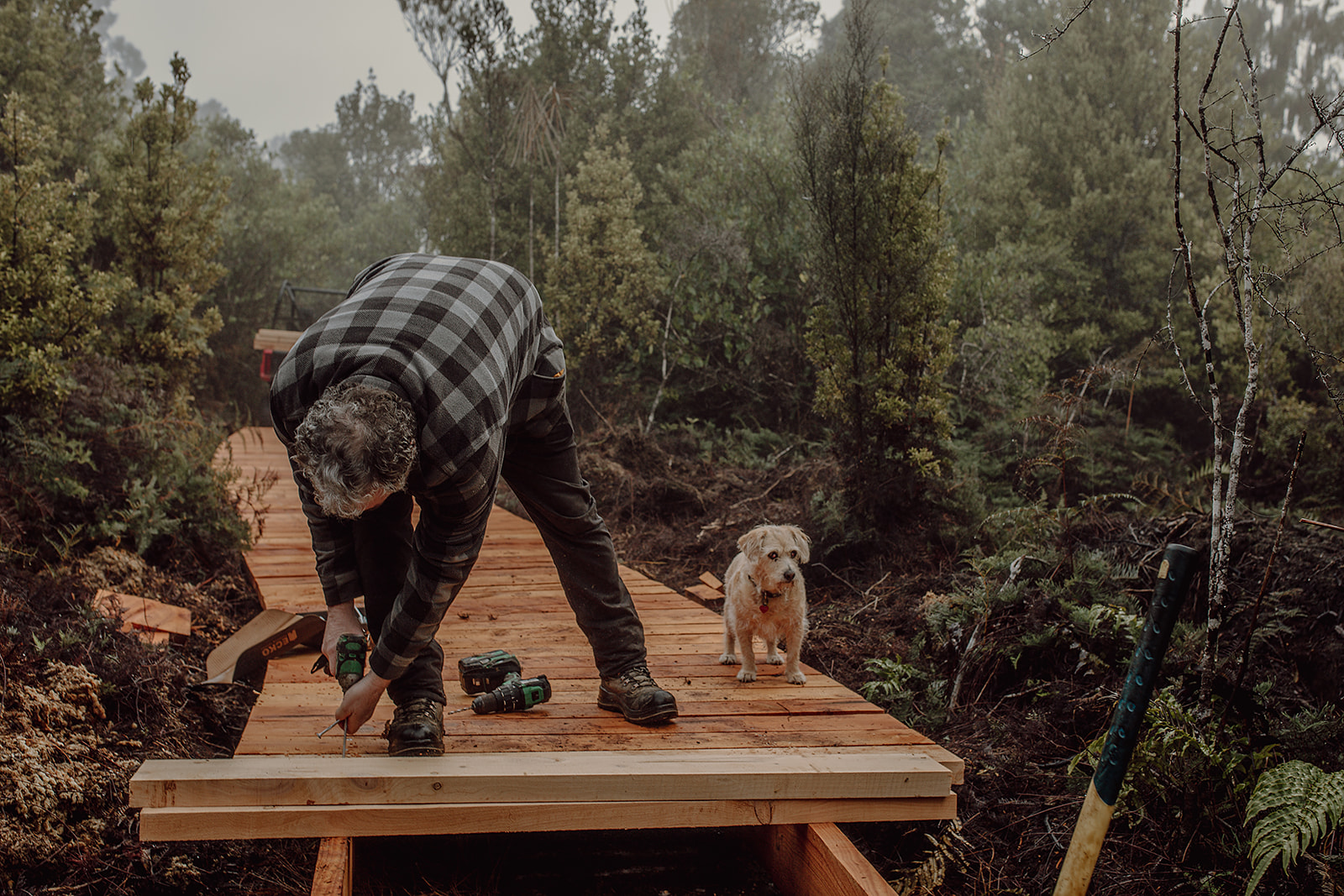
Not just the boardwalk.
Not just the stars.
But the sense that you’re stepping into a living, breathing slice of West Coast life — one where forest, animals, people, and garden all exist in relationship.
It’s wildly beautiful.

The ultimate West Coast escape — off-grid, indulgent, unforgettable. Your space to rest, reconnect, and explore untamed wilderness.