
How do we bring a vision to life without allowing it to consume the life we are already living? A reflection on craft, creativity, nature and returning to a relationship with time that is felt rather than managed.
Earlier this week, Lisa and I sat around a table with a group of local West Coast women who are each bringing (or have brought) a vision of their own to life.
It was called a networking catch-up, but it felt more like a meeting of minds: women building businesses, creating meaningful experiences and imagining what life and tourism here on the Coast could become. We spoke about the successes, the struggles and the less visible work required to keep an idea alive.
Afterwards, I circled back to the undeniable tension inside all of this.
We create these businesses and projects because we have a vision for how life could be—more freedom, creativity and meaning. We want to make something that matters to us, our whānau, our communities and the people who experience it.
But how do we bring a vision to life without allowing it to consume the life we are already living?
The same qualities that help us create something from nothing—our drive, imagination and ability to see what is possible—can make it difficult to stop. There is always another idea to follow, another problem to solve and another way the business could grow. Even meaningful work can begin to feel forced when everything becomes something to finish, improve or make financially viable.
Sometimes the dream itself becomes another machine we have to keep feeding.
I think many of us know this feeling, whether we run businesses or not. Our days are full of bills, people, emails, homes and responsibilities that cannot simply be wished away. We move from one task to the next, telling ourselves that once we finish the project or get through this busy season of life, we will slow down.
Except the end keeps moving.
There is a forcing that has found its way into modern life. Food is pushed beyond its natural seasons. Rest is squeezed into whatever space remains. Even the things we once did for joy become something to measure, share or achieve.
Something that began as play becomes content. A hobby becomes a potential business. A beautiful idea gains a deadline and a strategy before it has had the chance to find its own shape.
Perhaps part of the resistance is making room for things that have no greater ambition than bringing us fully into the moment.
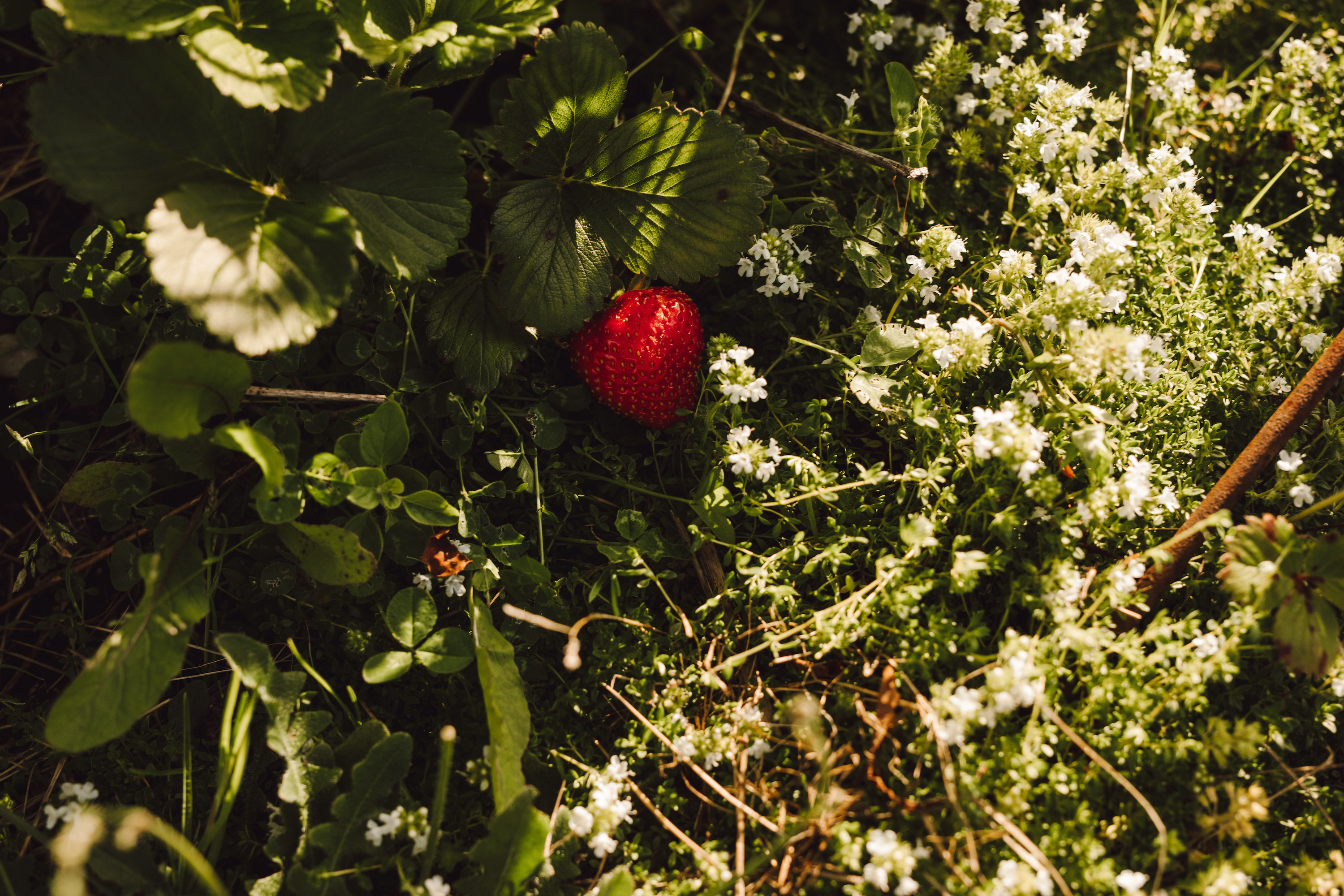
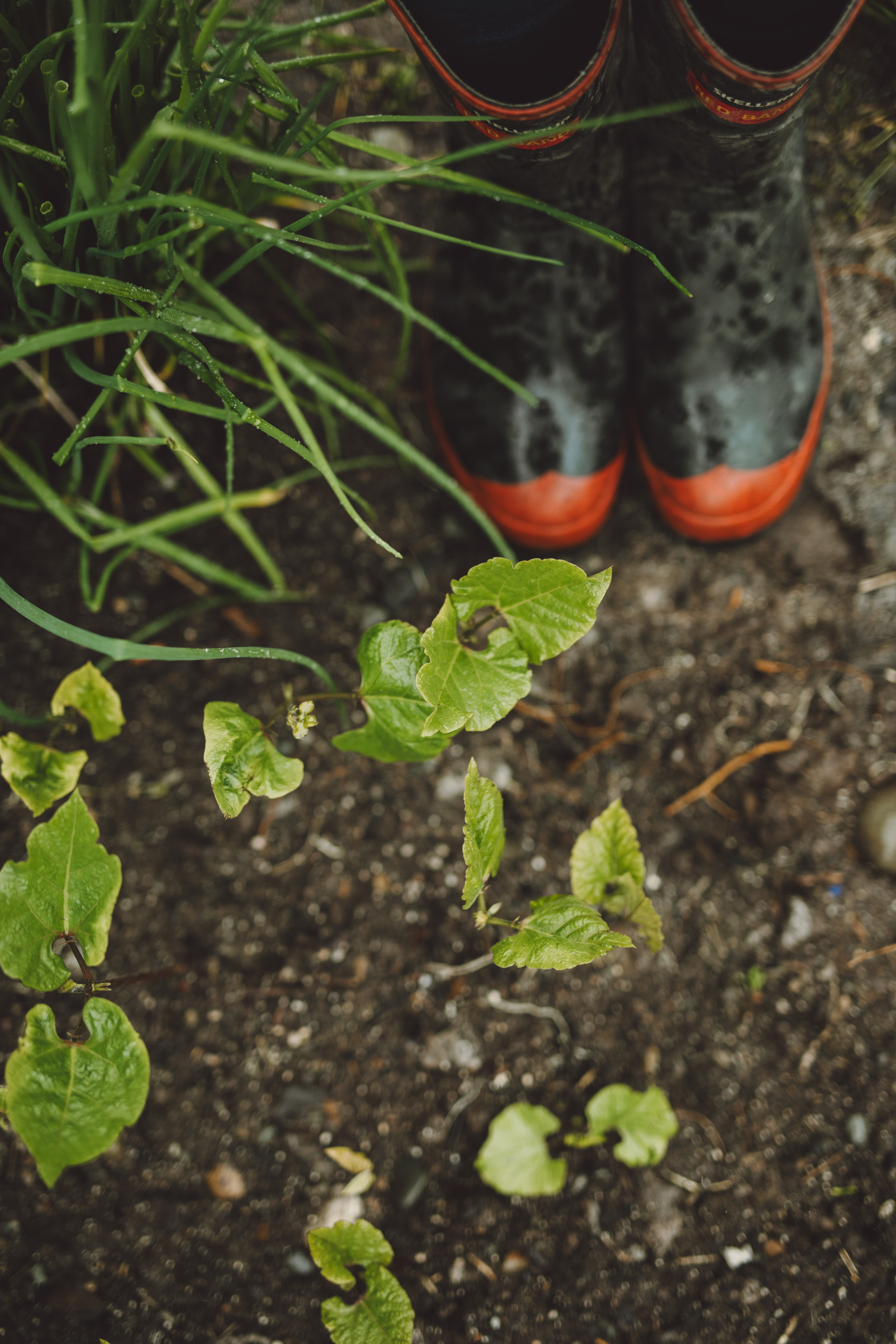
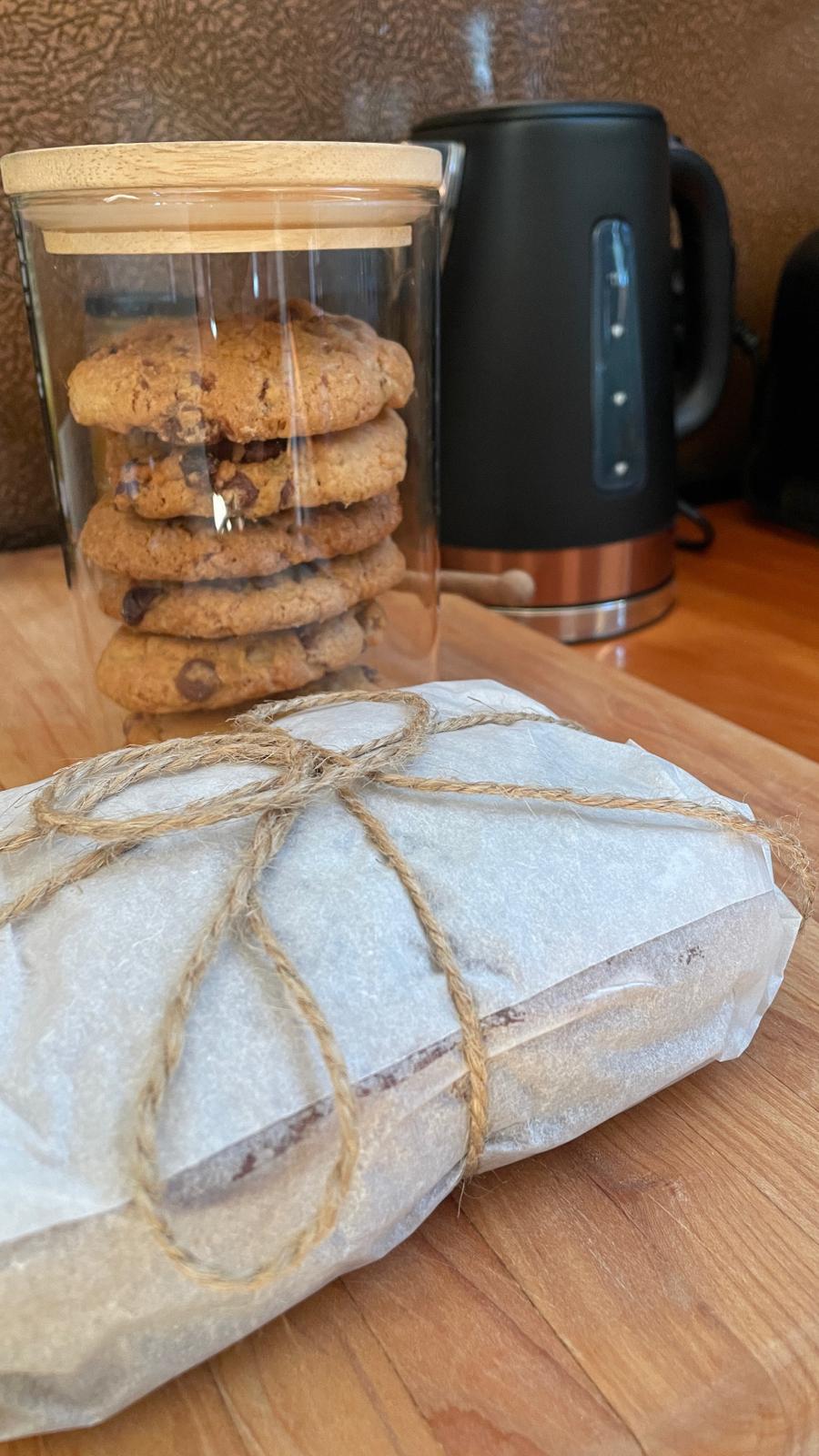
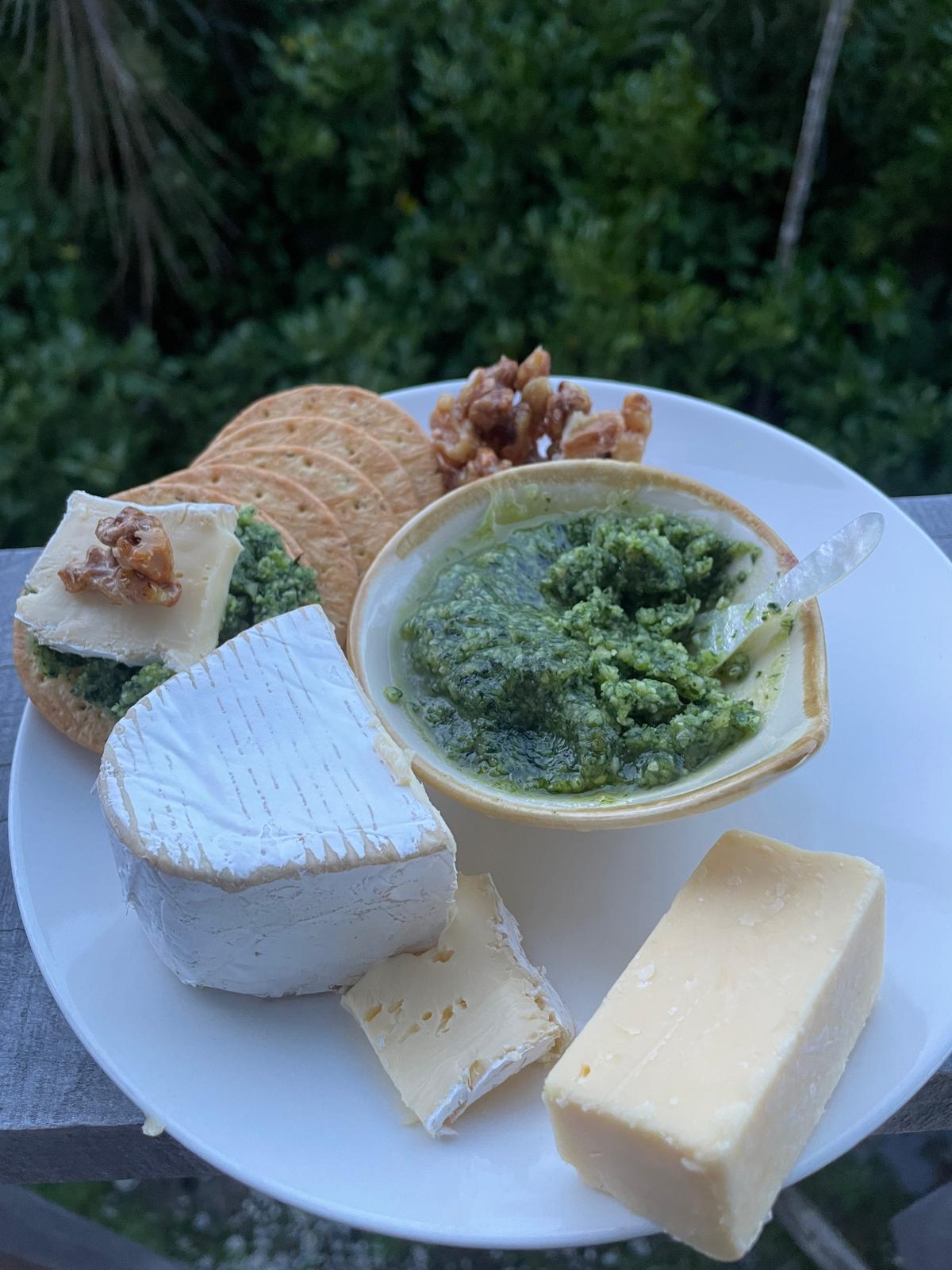
Flour on the bench. Clay in our hands. Soil beneath our fingernails. Leather reins resting in our palms. The smell of something slowly baking in the oven. Rain moving through the canopy while we work on something that cannot be hurried.
Craft asks us to stay with a process.
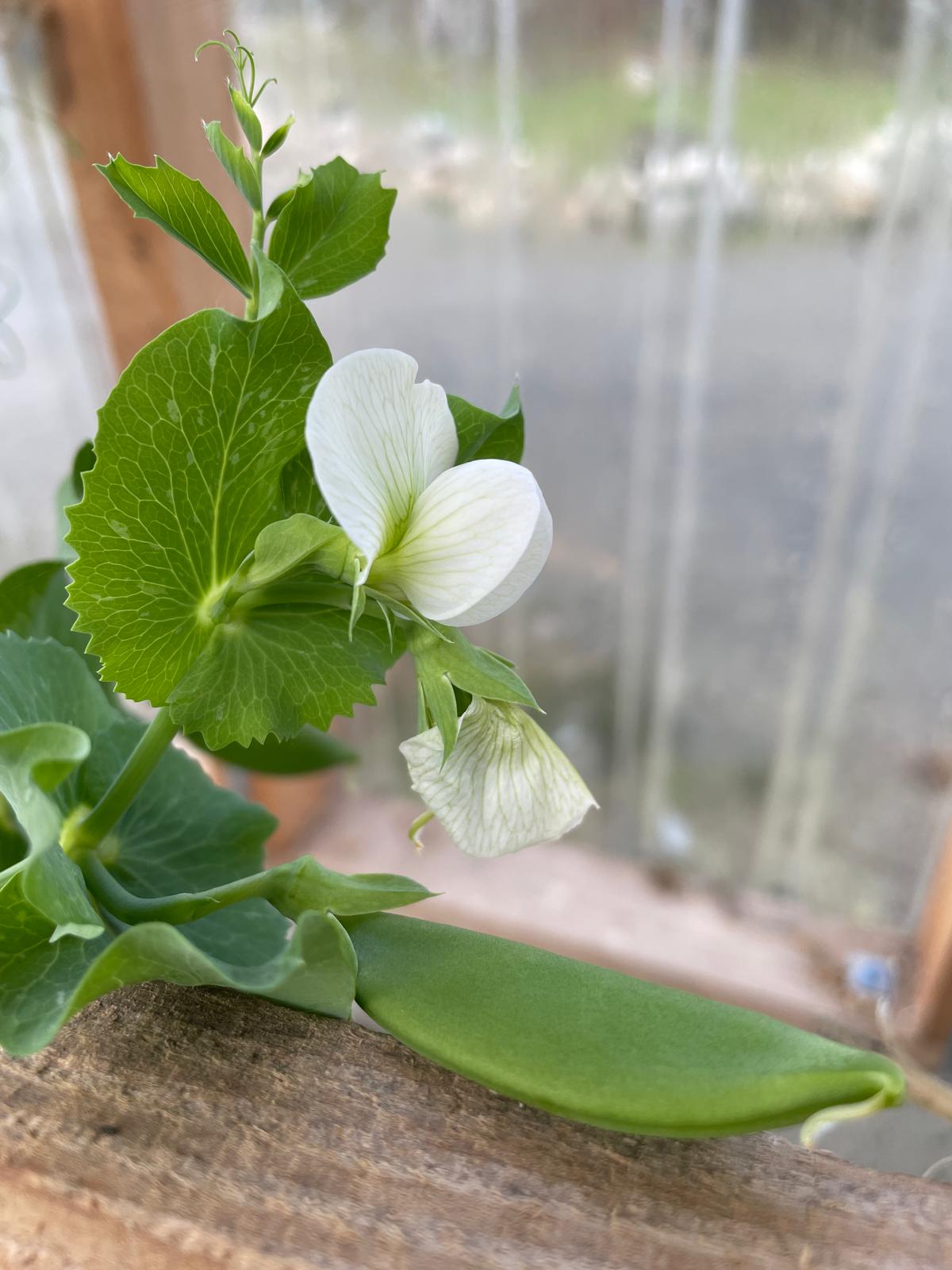
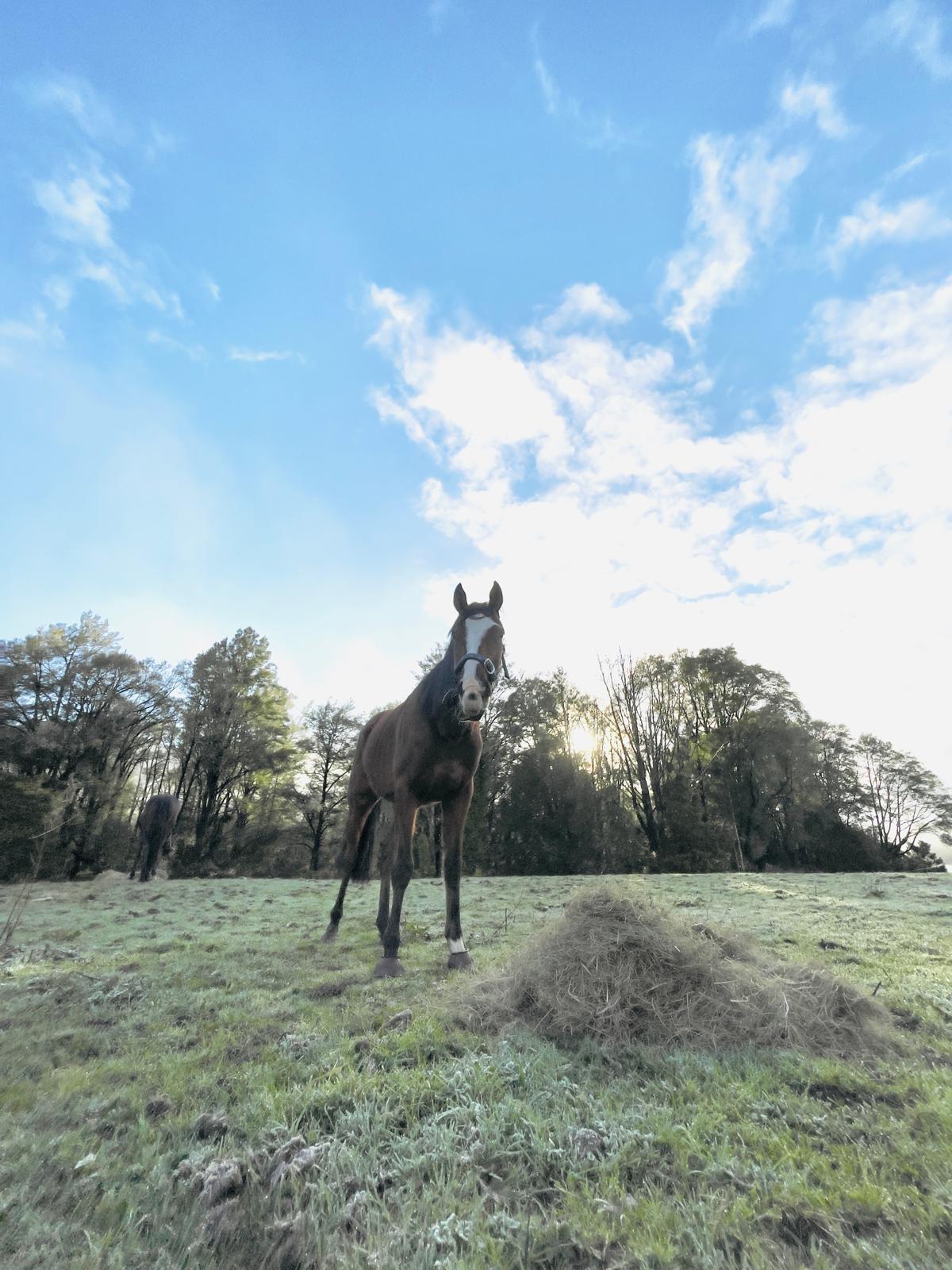
Bread will not rise faster because our inbox is full. A garden does not care about our schedule. A horse feels when our body is distracted or tense and asks us to meet the moment we are in completely. A paintbrush gives us somewhere to place our attention other than the endless conversation inside our own minds.
These are not simply ways to fill spare time. Kneading dough, tending seedlings, brushing down a horse or making something slowly returns us to texture, rhythm and instinct—to a relationship with time that is felt rather than managed. The result does not need to be impressive; the act itself asks us to be there for it.
We do not need to become exceptional at these things, sell them or turn them into another expression of who we are online. Some things are allowed to remain imperfect. Some things are allowed to belong only to us.
Living on the West Coast does not make us immune to busyness. We can still sit among acres of native forest with a laptop open, fifteen tabs competing for our attention and an endless list of projects on the go.
But the landscape keeps interrupting us.
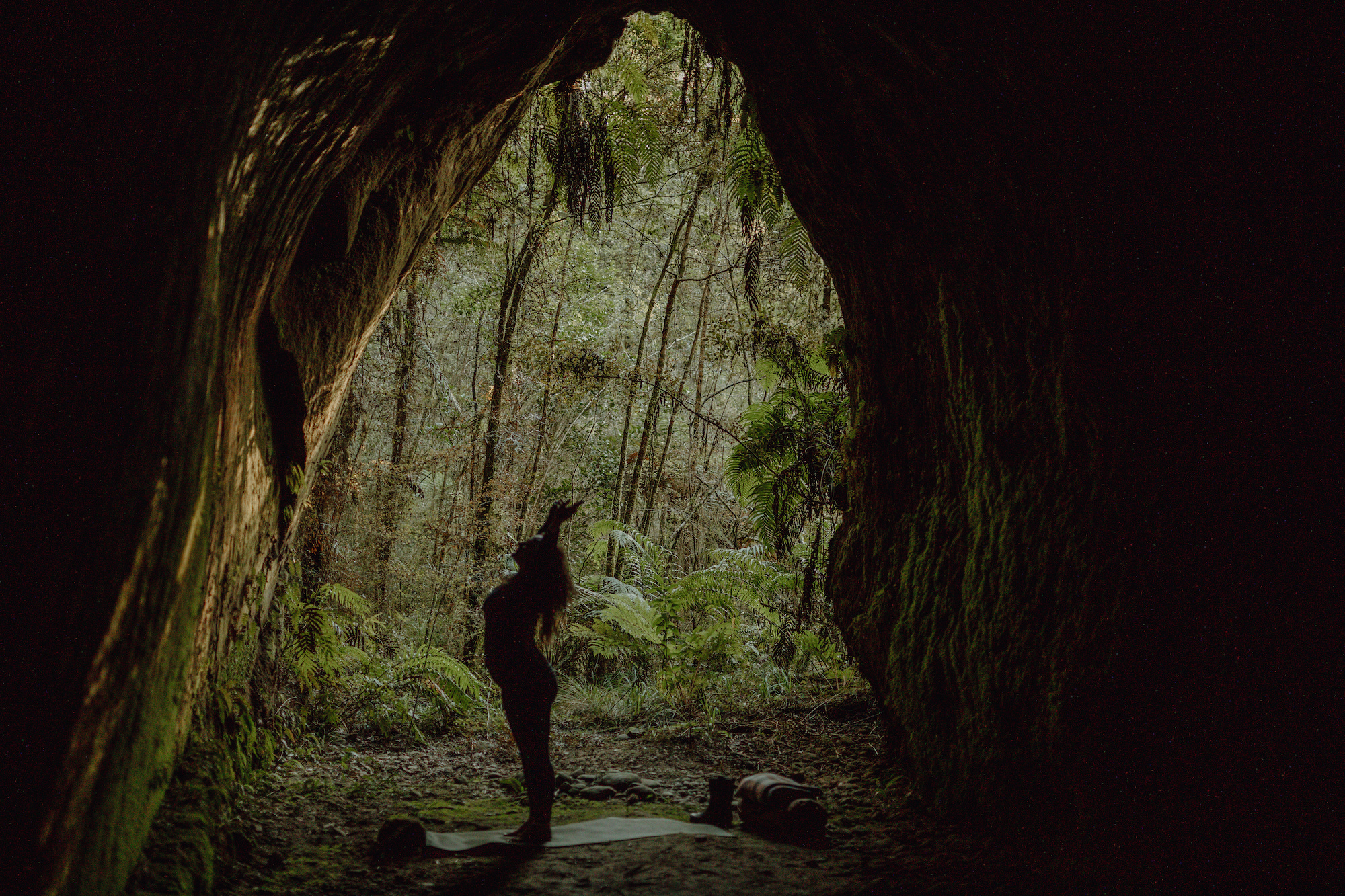
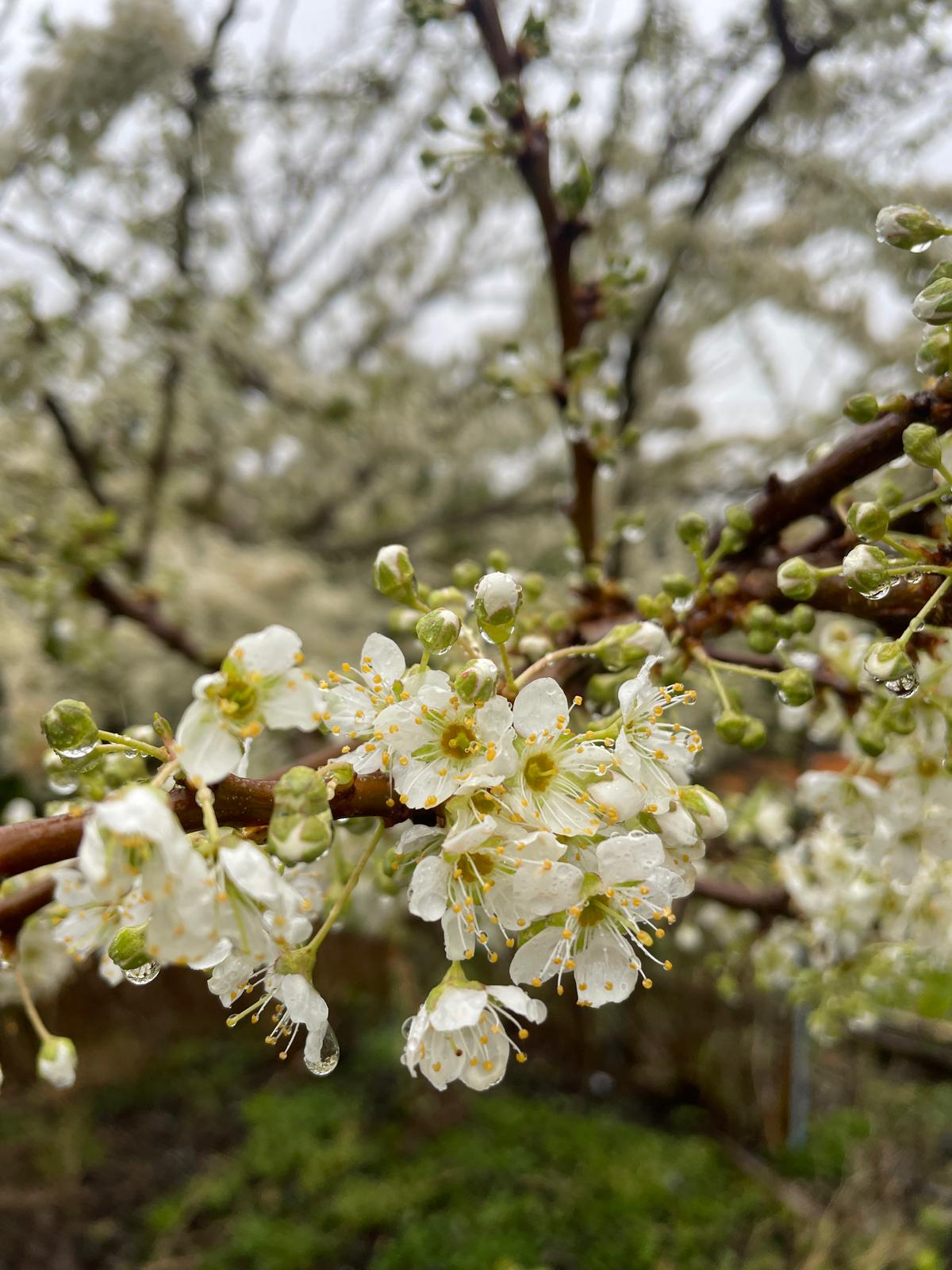
The rain arrives when it arrives. The river rises. The light moves through the trees. Fungi emerge and disappear. The garden grows according to its own timing, not ours. Out here, nature continually reminds us that life was never designed to operate like a production line.
This is part of why slow stays and slow travel feel so meaningful to us.
Slow travel is a small act of resistance to the belief that every available hour must be filled. It asks us to see less, but experience more—to stay long enough for a place to become more than a backdrop, and to leave room for an afternoon spent making, walking, reading, baking or following what draws our attention.
It is not about escaping real life, but creating enough space to reconsider the pace at which we are living it.
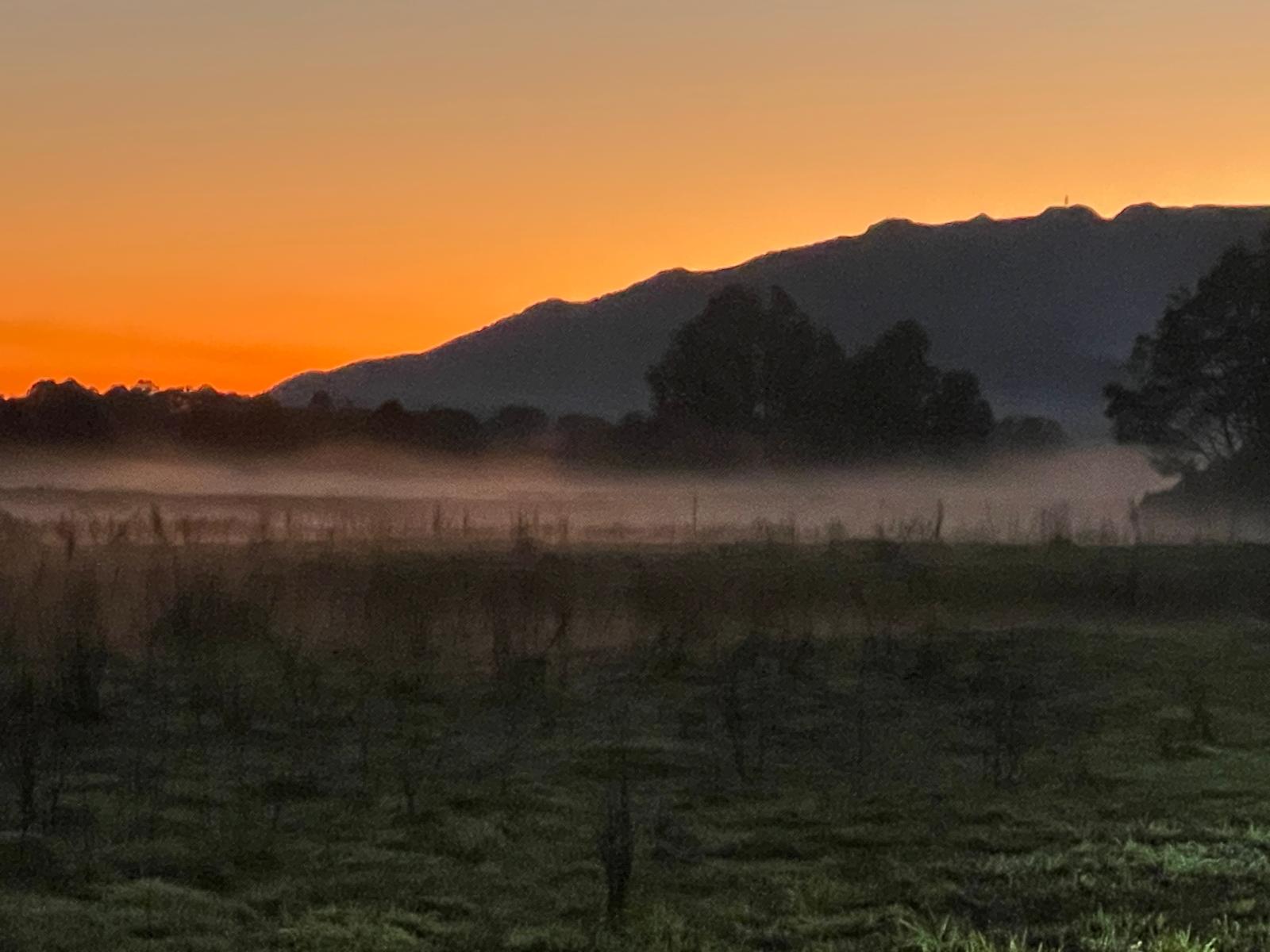
For women with big visions, slowing down can feel surprisingly uncomfortable. We carry a persistent sense that we are somehow behind, as though pausing means losing momentum and rest itself requires an explanation.
But perhaps slowing down is not the opposite of ambition.
Perhaps it is what keeps ambition from consuming the life it was meant to create.
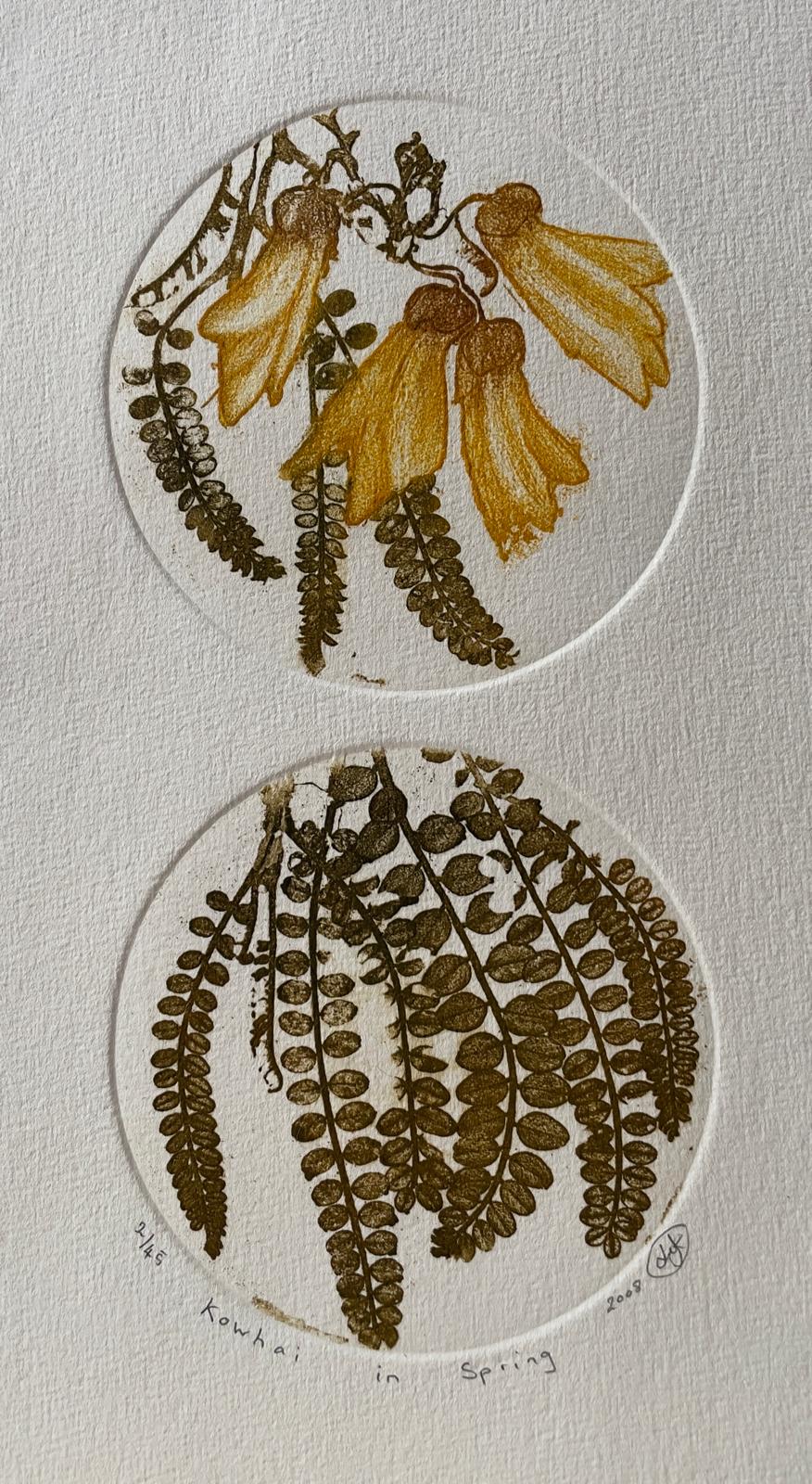
A life less forced does not require us to abandon our businesses, ideas or responsibilities. It is the practice of noticing when we have begun pushing everything—including ourselves—past its natural limitations. Of making something without needing it to become anything. Cooking slowly. Going into the garden without a list. Riding without needing to arrive somewhere. Following a pencil across a page.
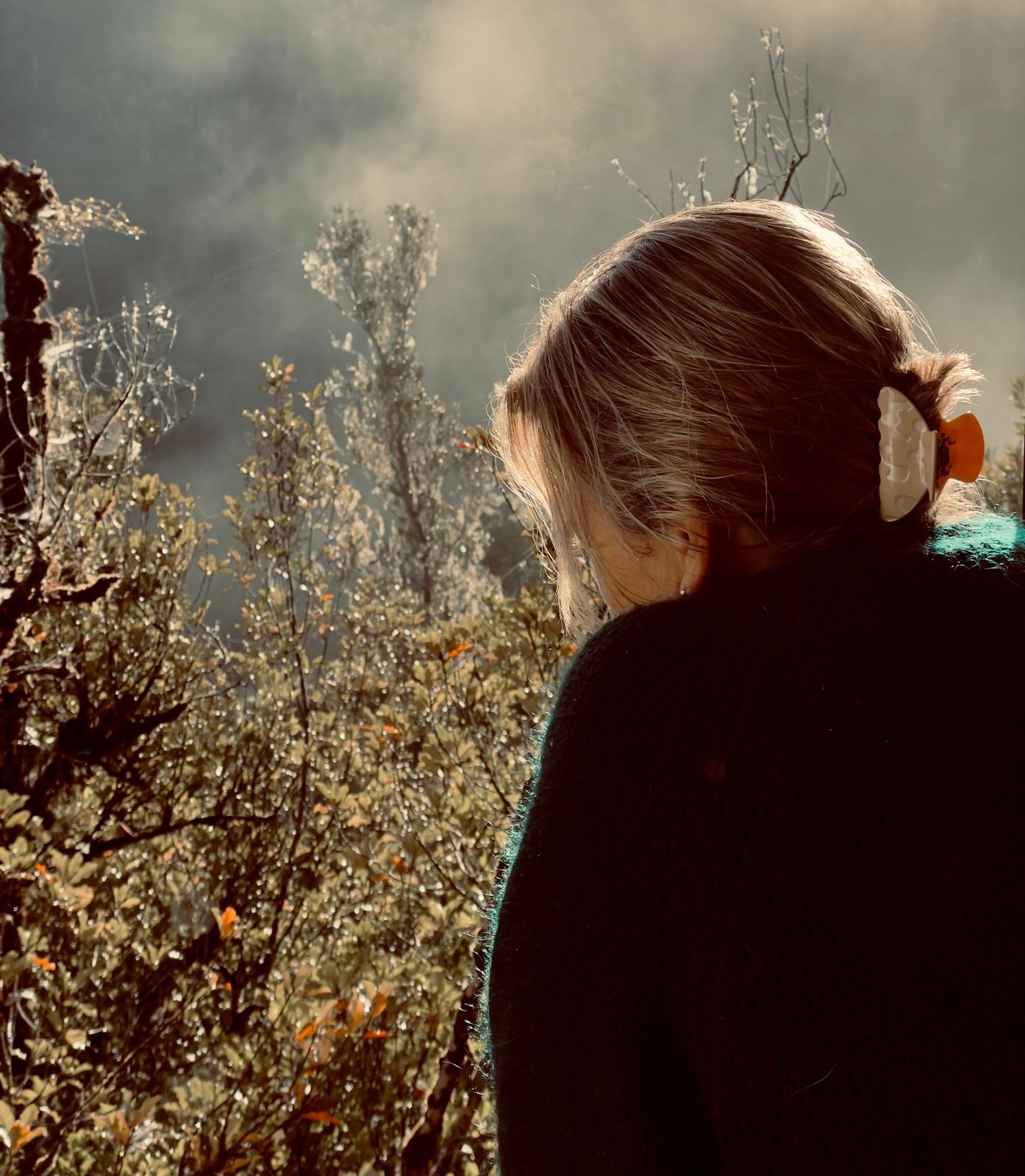
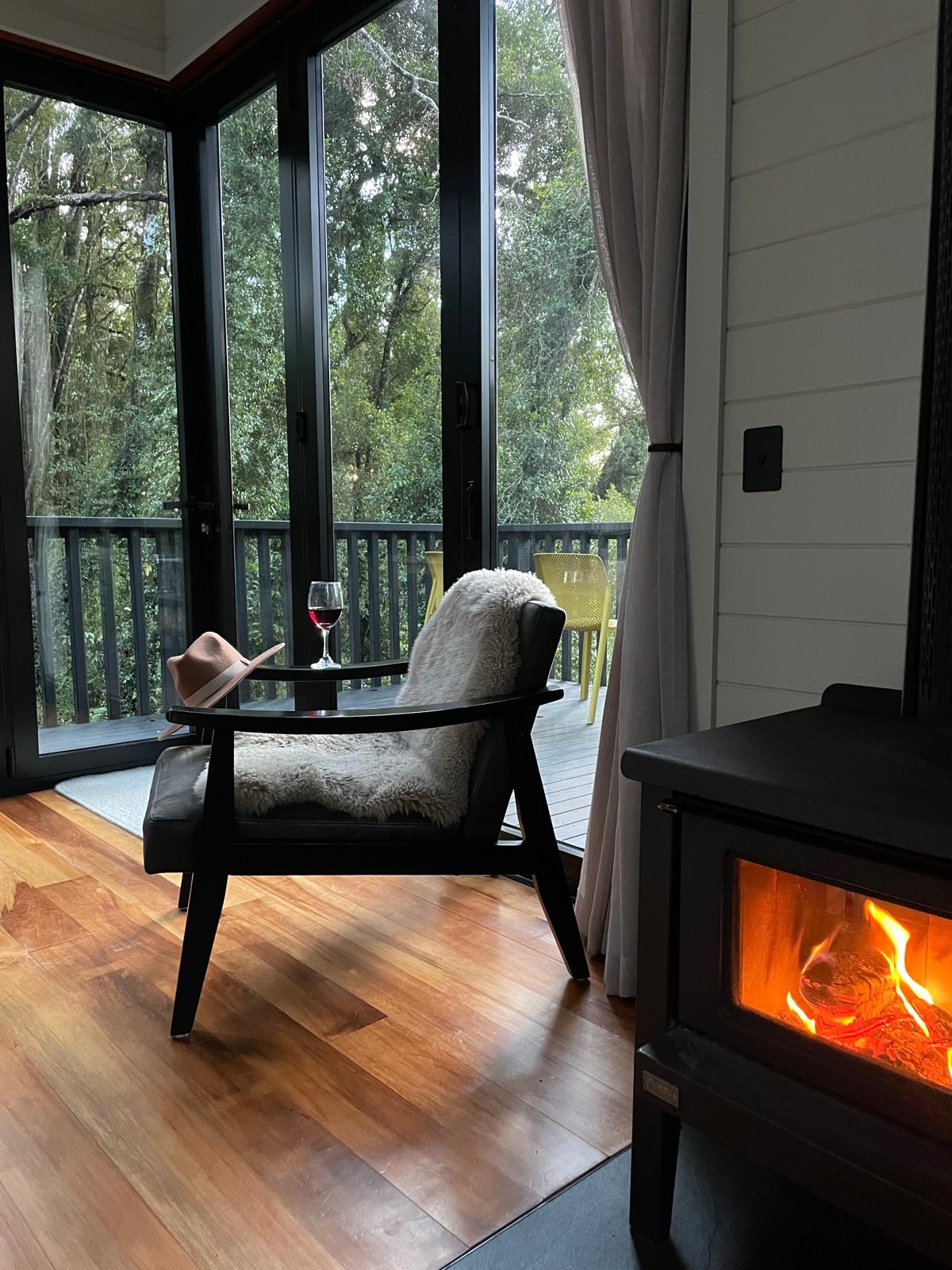
At Te Aka, we do not believe a few nights in the forest will solve the pressures of a full life. But a slower stay can interrupt the momentum, giving our senses somewhere to land and our minds enough space to remember what we are building this precious life for.
Maybe life as art is not about making every moment beautiful. Maybe it is about giving our attention to the life taking place beneath our feet. We will probably always be humans with big ideas, full weeks and days when the list wins. The practice is remembering that we are living now, too.
Not after the next project. Not once the business reaches some imagined point of we’ve made it. Not when everything is finally under control.
Now.
And perhaps a life less forced begins there: with our hands in the dough, our feet on the earth, our attention on the thing directly in front of us—and a little more room to feel the magic already around us.
The ultimate West Coast escape — off-grid, indulgent, unforgettable. Your space to rest, reconnect, and explore untamed wilderness.