
On boredom, awe, making things with our hands, and giving our creativity somewhere to land.

Have you ever decided you are going to be creative between, say, 2 and 3 p.m. on a Tuesday, only to spend most of that hour staring at the thing in front of you and wondering where every interesting thought you have ever had has gone?
Perhaps you have bought the sketchbook, cleared a corner of the table, found the paints, silenced your phone and waited for inspiration to arrive on schedule. Instead, the page seems to become more intimidating by the minute. The harder you try to make something meaningful, the further away that instinctive, curious part of you seems to retreat.. Cue our old friend: frustration.
We often describe this as a lack of creativity, as though creativity were a personal quality that some fortunate people possess and others simply missed out on. But perhaps we have been asking the wrong question. Instead of asking, “Why can’t I create?”, we might ask, “Have I given my creativity anywhere to land?”

Modern life leaves remarkably little unclaimed space. A pause in the day becomes an opportunity to check a message. A wait becomes a scroll. A walk becomes a podcast, and even rest can become something we monitor, optimise or attempt to do correctly. Our minds are continuously receiving information, responding to it, sorting it and preparing for whatever comes next.
Then we sit down and expect ourselves to make something original. But our attention is not limitless. We can’t spend every waking hour taking in information, responding to demands and moving from one task to the next, then expect creativity to arrive on cue in the small gap we’ve left for it.
Creativity does not always respond well to being summoned like that. It often appears sideways: while we are walking, showering, gardening, driving a familiar road or doing something simple with our hands. The idea that arrives in these moments may feel accidental, but researchers use the term creative incubation to describe what can happen when we step away from a problem or unfinished idea and allow it to sit beyond the centre of our attention for a while.
In a 2012 experiment, participants first worked on a creative “unusual uses” task and then took a break. Those given a simple, undemanding activity during that break later showed greater improvement on the creative problems they had already encountered than those given a demanding task, complete rest or no break at all. The benefit did not extend to entirely new problems, which is an important detail: the space between attempts appeared to help something already planted continue developing.
Later research added a useful layer of nuance. A pair of studies on what the researchers called “the shower effect” found that productive mind-wandering was associated with more creative ideas during a moderately engaging activity, rather than during one that was simply dull. In other words, the answer may not be to bore ourselves senseless. It may be to give the mind something gentle enough to hold it without occupying every part of it. In essence, your body moves into autopilot while your mind is given room to roam.
This is the sort of space a walk through the forest can create. Your feet have somewhere to go. Your senses have water, birdsong, moss, light and texture to notice. You are engaged, but you are not being asked to solve or produce anything. The mind is no longer pinned to one point, and ideas have a little more room to move.
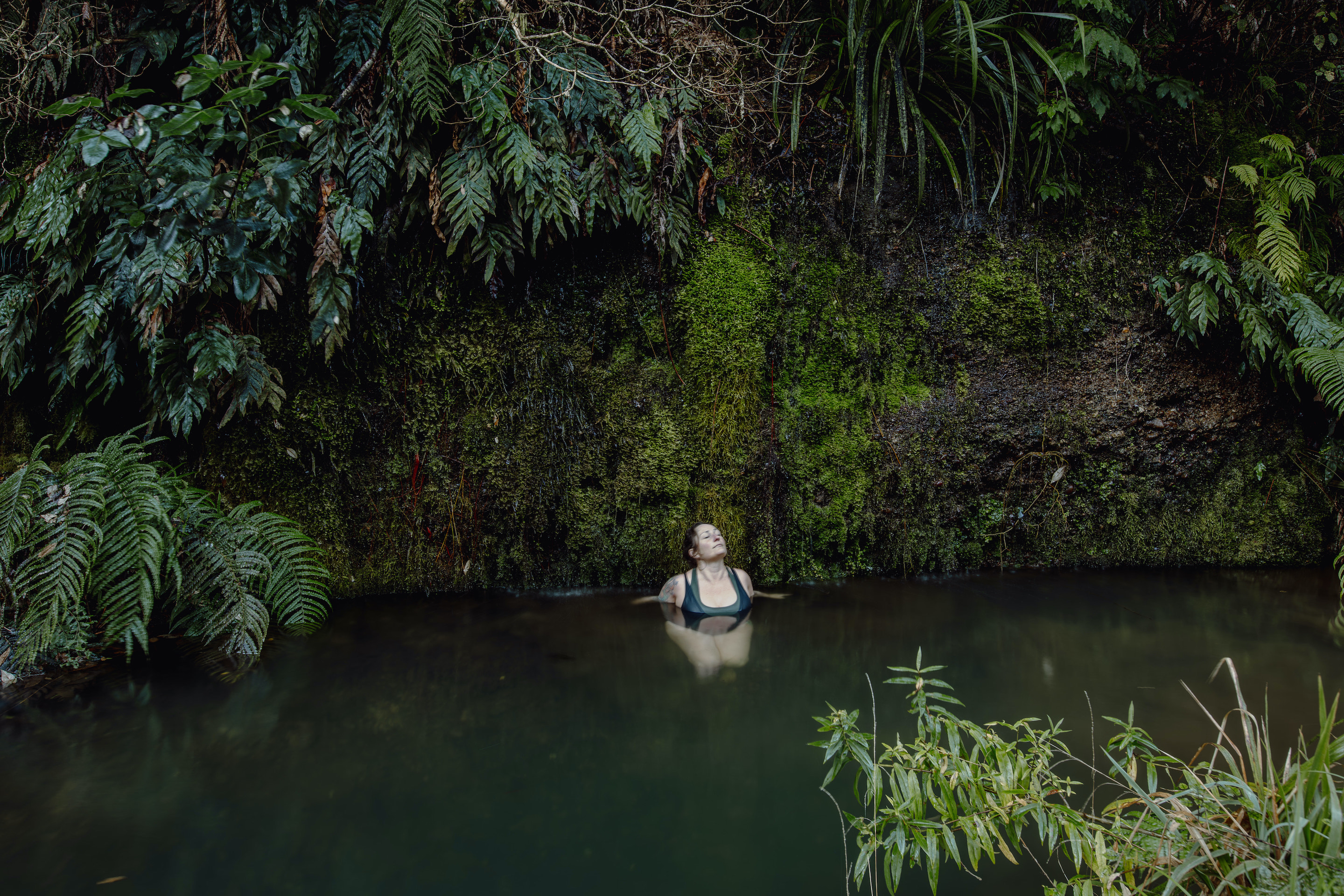
Boredom has a terrible reputation. We associate it with waiting rooms, long meetings and the particular misery of being trapped somewhere without anything meaningful to do. Yet there is another form of boredom that has become increasingly rare: the brief discomfort of not being entertained, informed or required to respond.
Two small experiments published in 2014 found that participants who first completed a repetitive, boredom-inducing activity later produced more creative responses to an everyday-object task. But the research around boredom and creativity is not tidy enough to conclude that being bored automatically makes us brilliant. More recent work suggests that the quality of the space matters. Complete disengagement can produce aimless thought, while a lightly absorbing activity can allow the mind to wander in a more useful way.
So perhaps “boredom” is not quite the destination. Perhaps it is a threshold: that slightly twitchy moment when we are no longer consuming anything but have not yet remembered how to simply notice, wonder or follow a thought without needing to turn it into something useful.
If we resist filling that space immediately, curiosity often begins to return. We notice the shape of a leaf, the colour made where two paints meet, the way a piece of bark resembles a landscape viewed from above. These observations do not need to lead anywhere. Their value may be in the noticing itself.
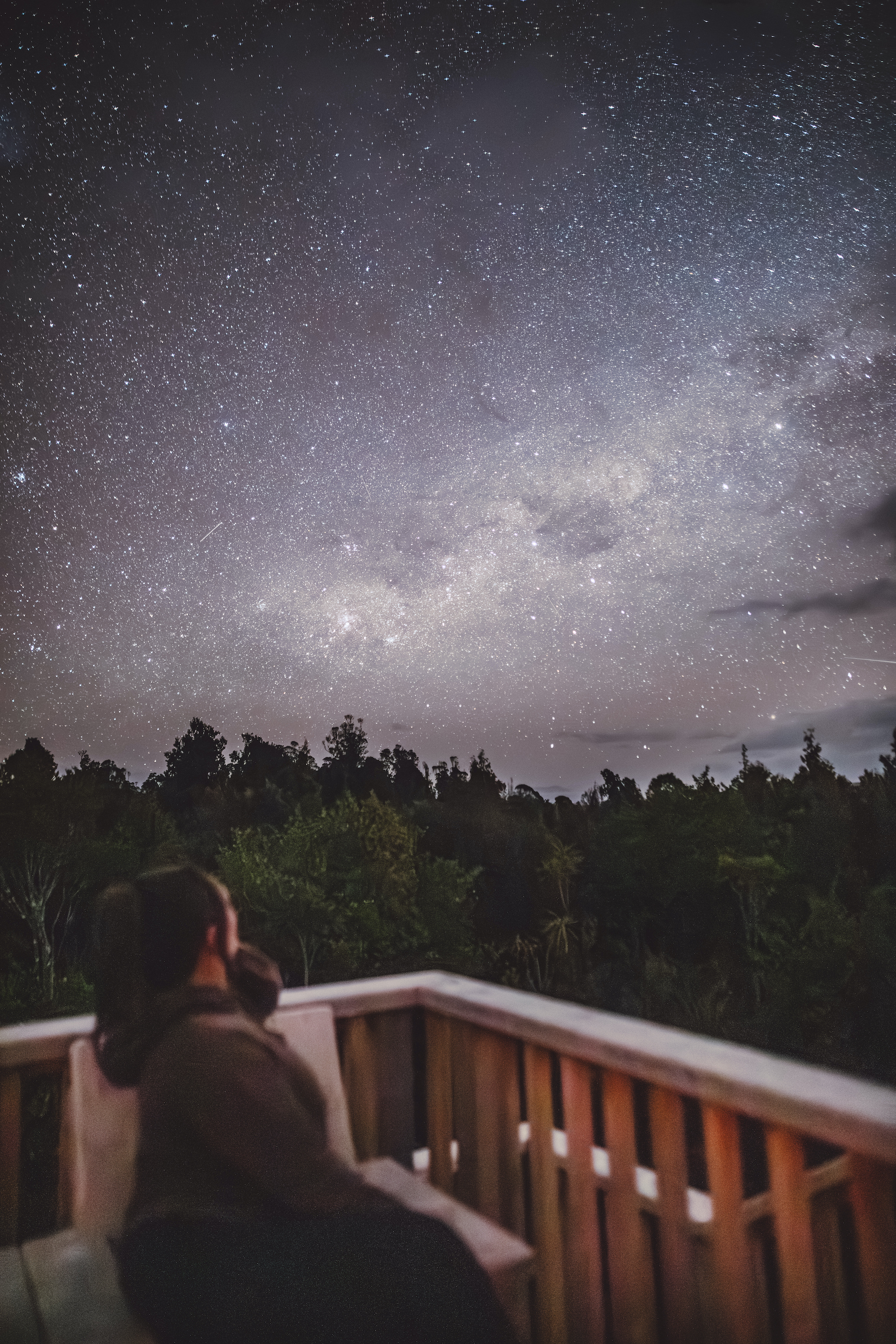
Awe has an important place in this conversation too. Psychologists often describe awe as a response to something that feels vast enough to challenge our existing mental frame such as a night sky crowded with more stars than we can comprehend, an old tree whose lifetime extends far beyond our own, or a landscape that makes us pause because our usual language feels briefly inadequate.
In a small 2018 experiment, 52 university students watched both an awe-inducing 3D nature video and a neutral one before completing creative-thinking tasks. The awe condition was associated with improvements in fluency, flexibility and elaboration on one of the tasks. That is not proof that one beautiful view will turn us all into master artists, of course, but it does support a compelling possibility: wonder may help us loosen the boundaries of our usual thinking and become more receptive to different associations and perspectives. Fascinating, right? Perhaps we all need to practise being a little more enchanted by everyday life.
A 2024 scoping review of research exploring nature and creativity found broadly encouraging results across artistic, educational and workplace settings. Studies included in the review linked nature experiences with curiosity, flexible thinking, sensory awareness, imagery and inspiration. The authors were also careful to point out that the evidence is varied and that many studies have limitations, including small samples and weak comparison groups. Nature is not a guaranteed creativity button. What it may offer is a setting rich in change, detail, unpredictability and what researchers call “soft fascination”: enough to invite attention without consuming it.
We explored soft fascination and Attention Restoration Theory in last week’s article about why your body feels different in the forest. Creativity may be another part of that same conversation. When our attention is no longer being pulled in a dozen manufactured directions, we have more capacity to see what is actually in front of us... and perhaps to imagine what is not there yet.
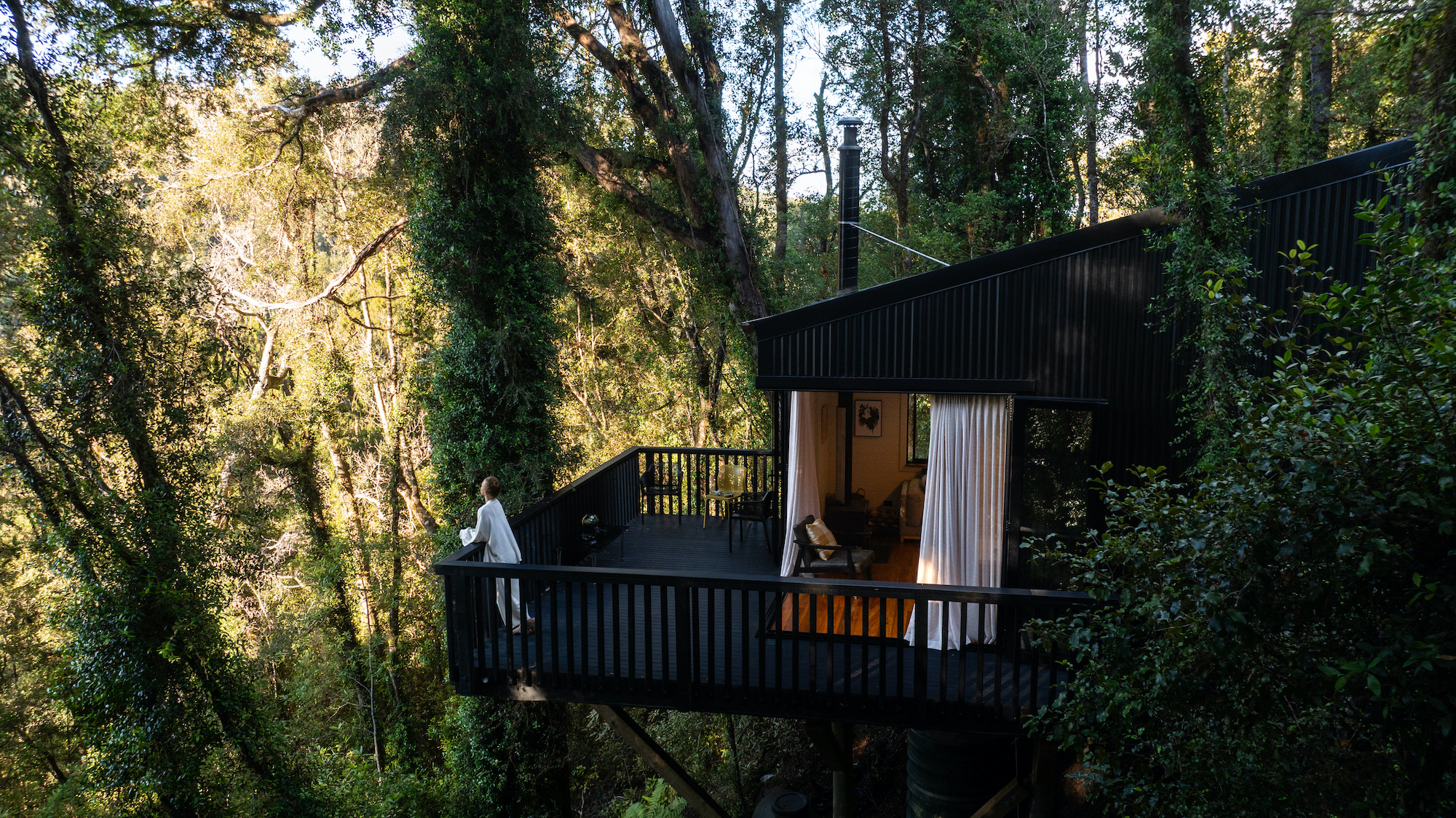
There is another pressure sitting beneath many creative blocks: the expectation that what we make should be good, shareable, sellable or somehow useful. The sketch might become content. The photograph might belong in a portfolio. The idea might become an offering. The hobby might become a side income. Before we have even begun, the tender first stage of making has been handed a job description.
There is nothing wrong with making a living through creative work. There are people in the world that do, and there is real satisfaction in developing a craft and sending meaningful work into the world. But not every act of creativity needs a business plan. Some things deserve to be made because we were curious about what would happen if we made them.
This distinction has a foundation in creativity research. Teresa Amabile’s influential componential theory describes intrinsic motivation—the desire to take part in an activity because it is interesting, enjoyable, satisfying or personally challenging—as one of the core conditions supporting creativity. External recognition and reward are not inherently harmful, and in the right circumstances they can support creative work, but controlling pressure, excessive time pressure and the expectation of evaluation can interfere with the freedom to experiment.
That feels important because play requires permission to make something strange, unfinished or unsuccessful. It requires a little freedom from the imagined gaze of everyone who might judge the result. Sometimes the most restorative thing we can make is something that will never be posted, packaged or explained.
Art can be evidence of nothing more than an hour in which we were fully there, present in the moment.
When people say, “I’m not creative" or "I'm not an artist," what they often mean is that they do not consider themselves skilled at a recognised art form. Yet creativity is much larger than artistic technique. We use it when we cook without a recipe, tell a story, arrange a garden, repair something, build a home, choose what to wear, move our bodies, make a child laugh or find a new way through an old problem.
To be human is to alter, combine, imagine, respond and make. Some of us build careers around that impulse, while others meet it in brief moments across an ordinary life. Neither is a more legitimate expression of creativity. Skill can deepen through practice, but creative permission does not need to be earned first. And what feels ordinary to you may be extraordinary to someone else, so don’t be too quick to discount it—or yourself.
What many of us need is not a demand to be more creative, but a way back into curiosity. This is where guidance can make a real difference. A completely blank page can feel like infinite choice and nowhere to begin. A thoughtful guide offers a doorway: a material to touch, a simple prompt, a shape to follow or a question to explore. There is enough structure to help us begin, but enough freedom for the work to become our own.
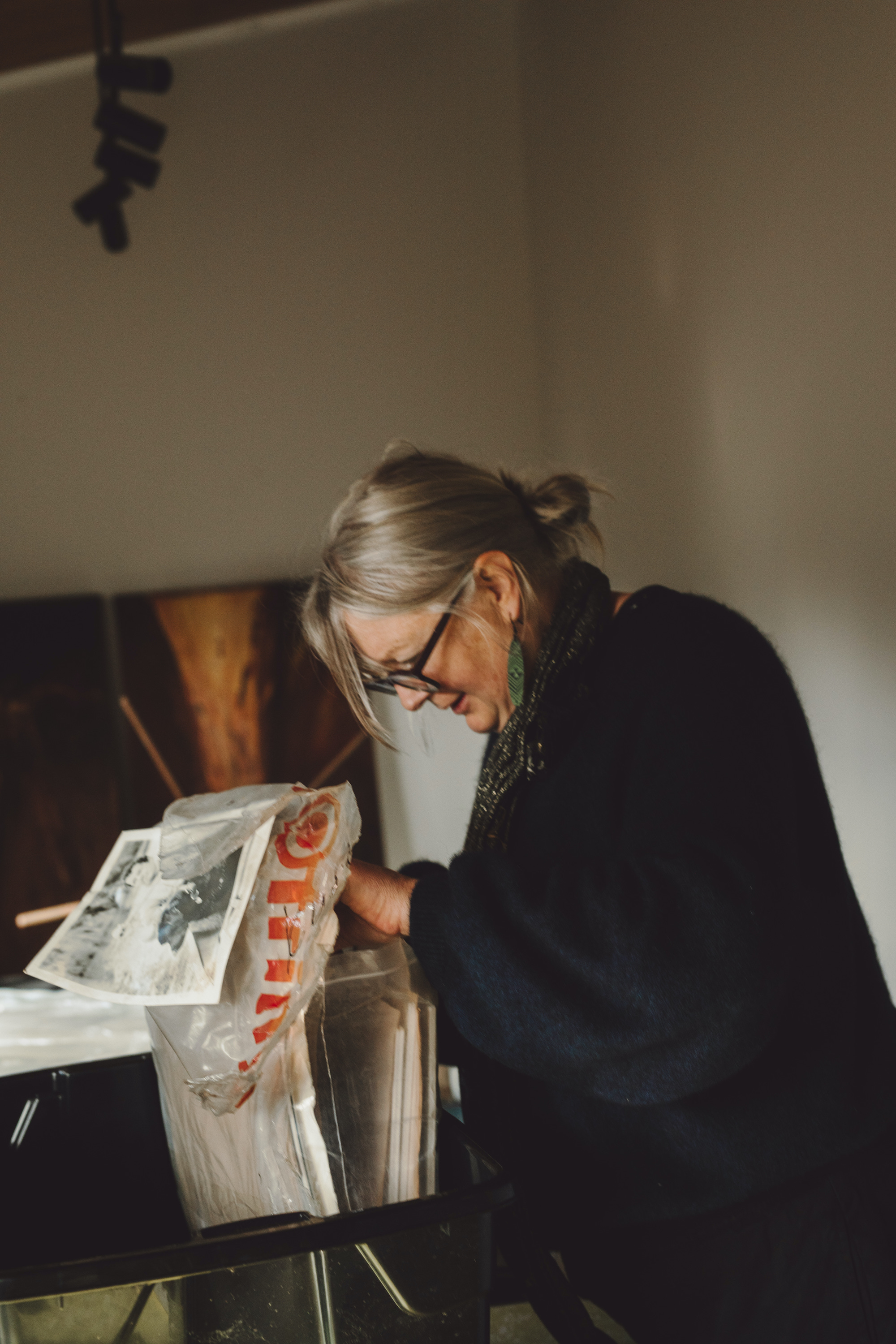
Many of us try to wedge creativity into whatever space remains after everything more urgent has been dealt with. We reserve an hour, sit down carrying the momentum of the day and become frustrated when we cannot immediately drop into the place we hoped to reach. Sometimes an hour is enough, but sometimes the first hour is simply the threshold. It is the time it takes to stop thinking about what came before, stop anticipating what comes next and become interested in what is happening now.
This is part of what makes an extended creative stay so different from a single workshop squeezed into a full schedule. The first day does not need to produce anything. There can be time to arrive, sleep, wander and pay attention. A creative session can begin something, followed by an evening or an entire day in which the work is left alone. You might return having noticed a shape, colour, texture or connection that was not visible while you were concentrating so intently on finding it.
The space between creative sessions is not wasted time around the work. It can be part of the work. Three or four days allows for that rhythm of attention and release: beginning, stepping away, letting the mind roam and returning with a slightly different way of seeing.
You do not need to arrive inspired or with a worthy idea waiting. You only need enough willingness to begin with what is in front of you and see what happens next. Perhaps creativity has never been something we need to force out of ourselves. Perhaps it is something we make room to meet.
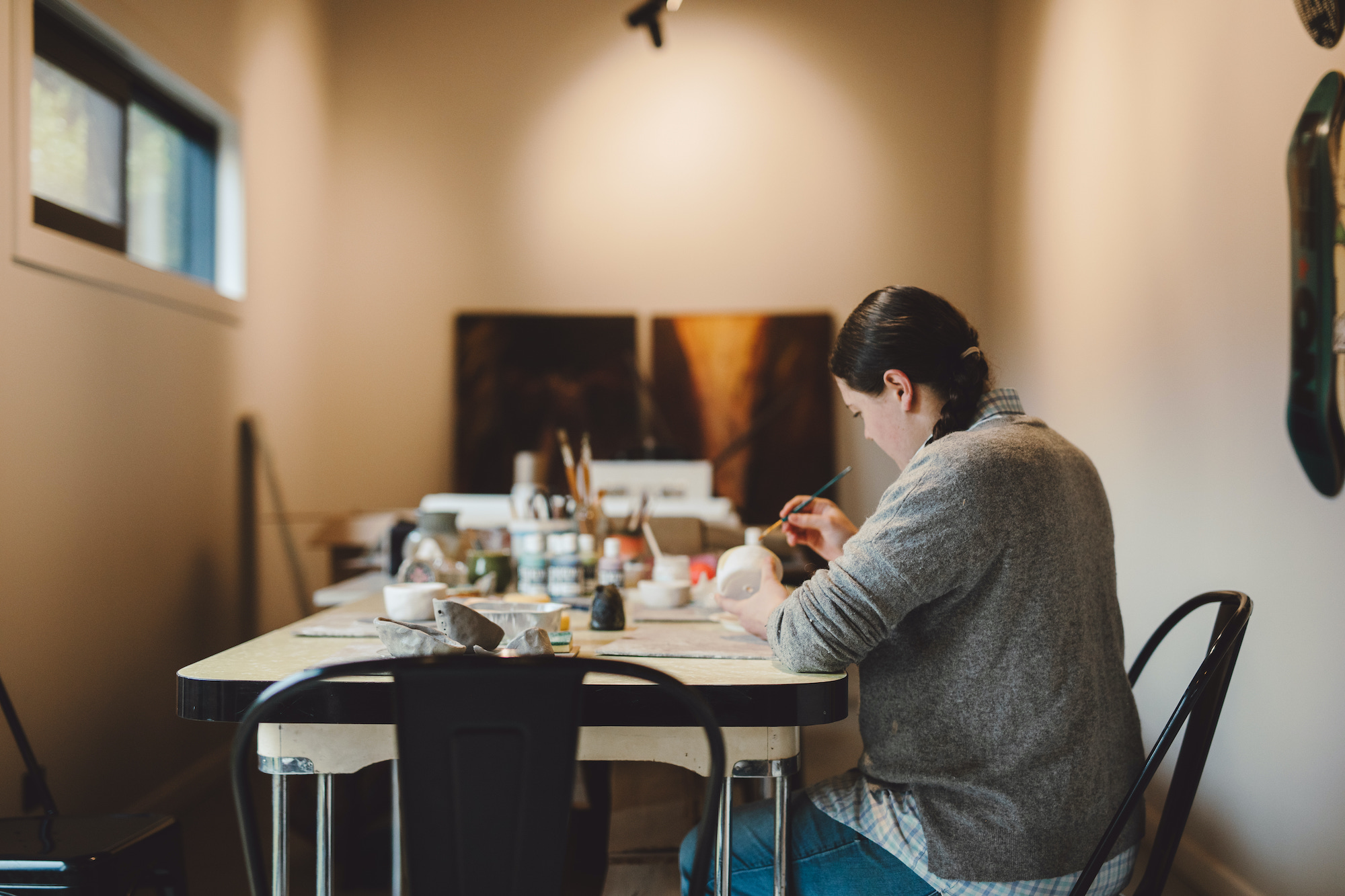
Te Aka’s creative stays are best experienced over 2 to 4 night stays, giving guests time to settle into the Treehouse, create with Lisa, step away from the work and return to it without rushing. Lisa is a qualified art teacher and offers relaxed, accessible sessions for complete beginners through to established creatives, with workshops available for one to five guests.
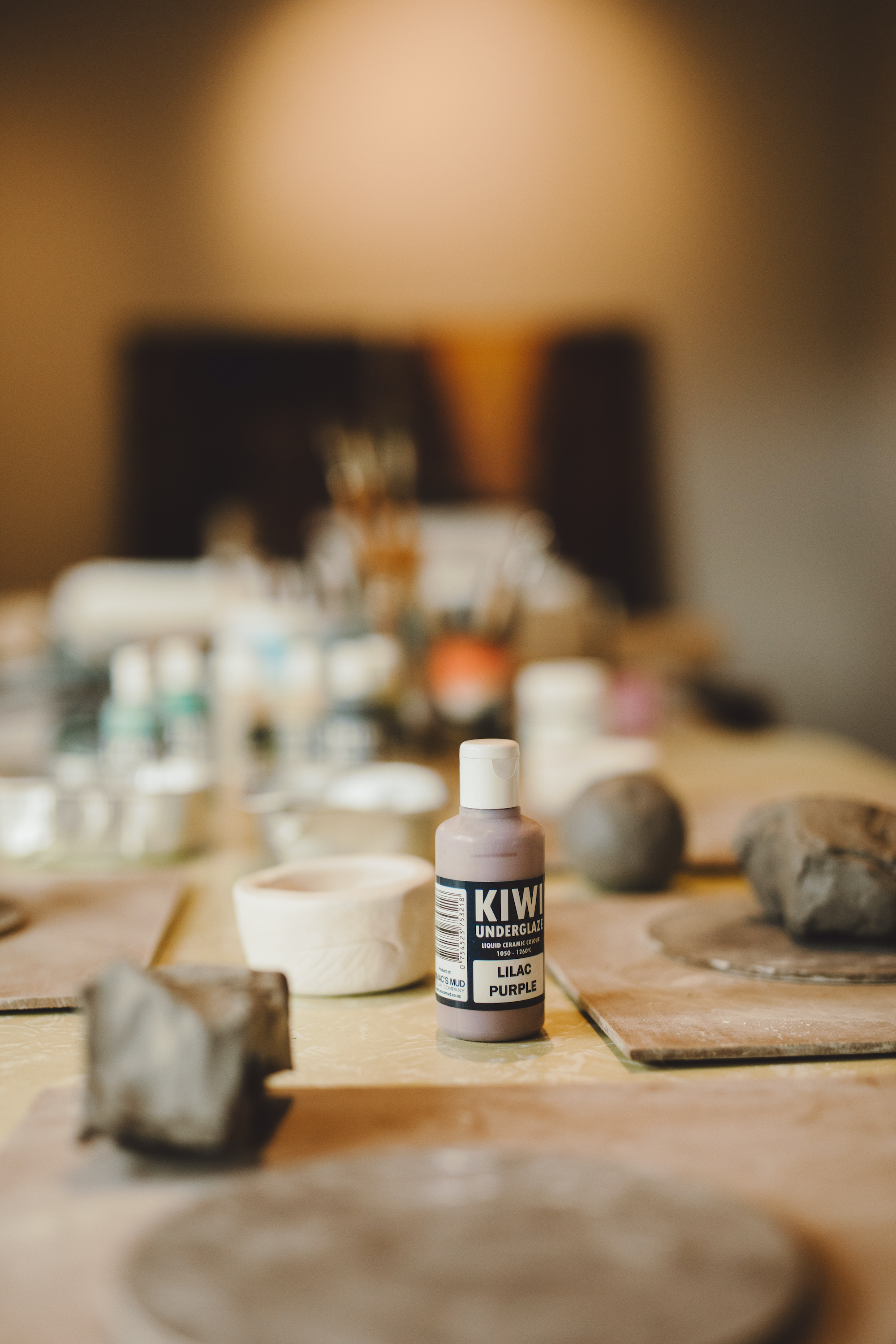
Guests can choose a two- to three-hour Nature Print Workshop, a customised three-hour art session, or a deeper experience with two three-hour sessions held across two days. Creative options include mono printmaking with gathered native foliage, woodcut printing and carving, painting and drawing, clay and pottery. The Nature Print Workshop includes two A5 mono prints mounted in A4 matt board, so guests leave with their own nature-inspired works ready to take home.
Explore the experiences available during your stay, or contact us to ask about creating a three- or four-night art stay at Te Aka.

The ultimate West Coast escape — off-grid, indulgent, unforgettable. Your space to rest, reconnect, and explore untamed wilderness.